
How We Work Together / Circular Hardware Design
Circular Hardware Design
Products designed to be repaired, refurbished and used again, and the business model that makes that pay. From an engineer who has measured how products are really used, and tested what fails, in what order, and why.
Does designing for repair cost more?
Sometimes, at first. Fixings that come undone, spares that can be bought separately and materials that can be separated at end of life all cost something, in parts and in assembly time. Whether that pays back depends on the business model: rental, refurbishment, service and resale all earn from a product more than once, and that’s where the case is made or lost.
So I start with the commercials and how the product is really used, then design for the parts that will wear, fail or hold their value.
What does the work cover?
01
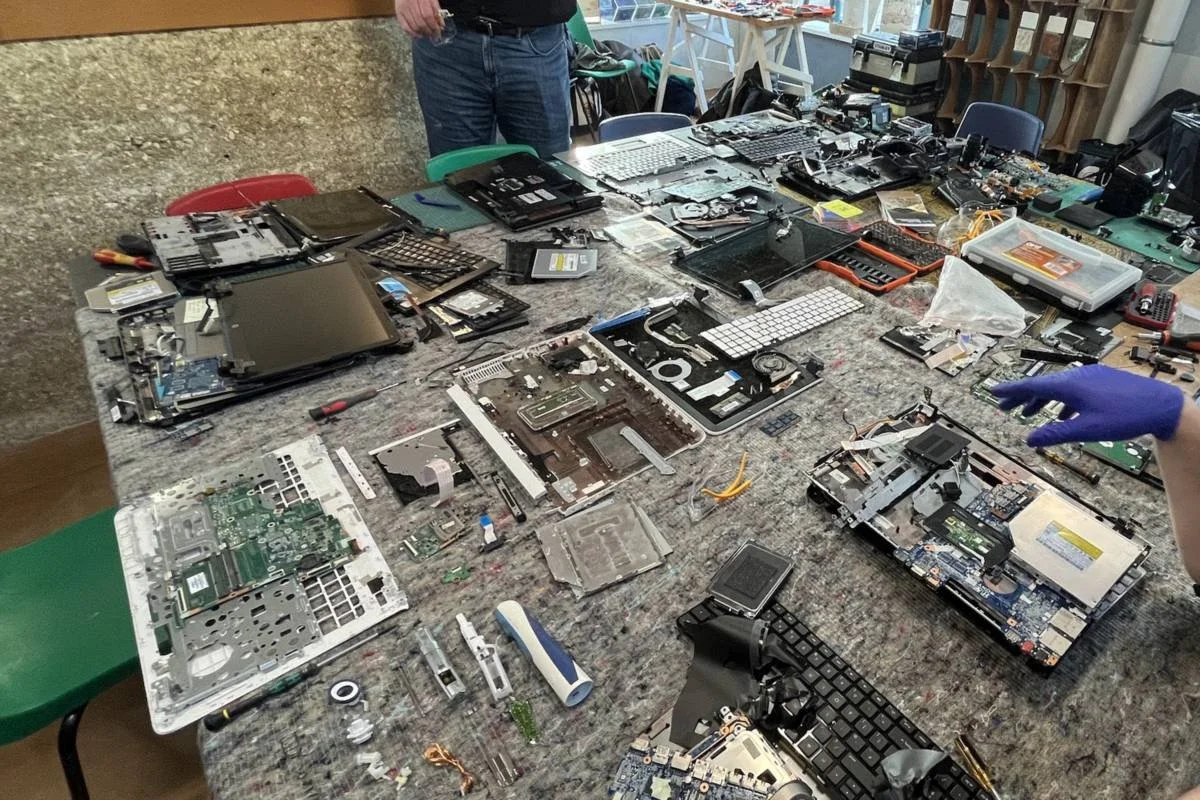
Design for repair and disassembly
Fixings that can be undone with ordinary tools, parts that can be swapped in the field, and materials that can be separated and recovered at the end.
02
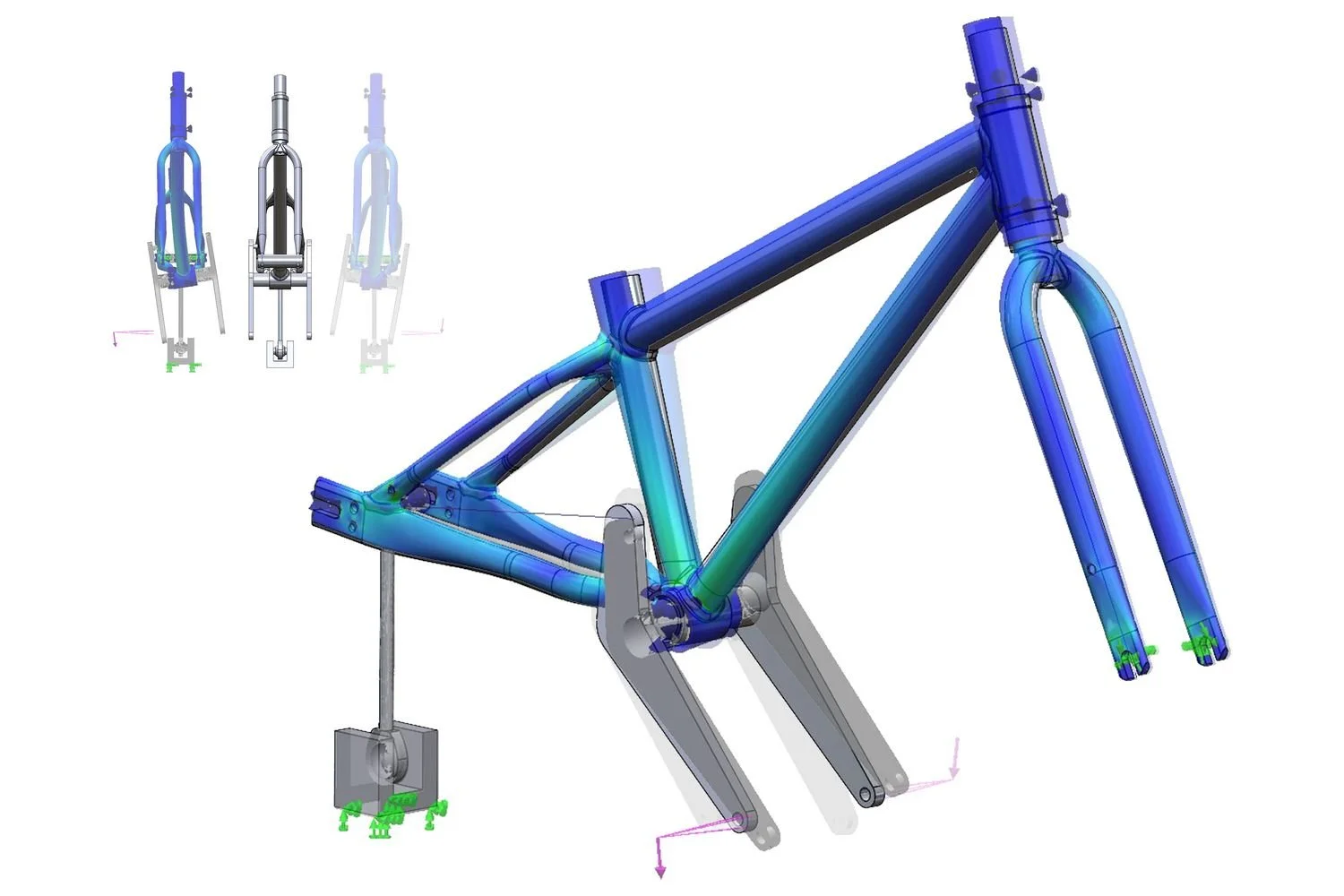
Real world data and durability testing
Finding out how a product is really used before deciding how long it should last: data loggers on products in use, FEA validated against the load data, fatigue testing, and inspection methods to check returned parts before they go back into service.
03
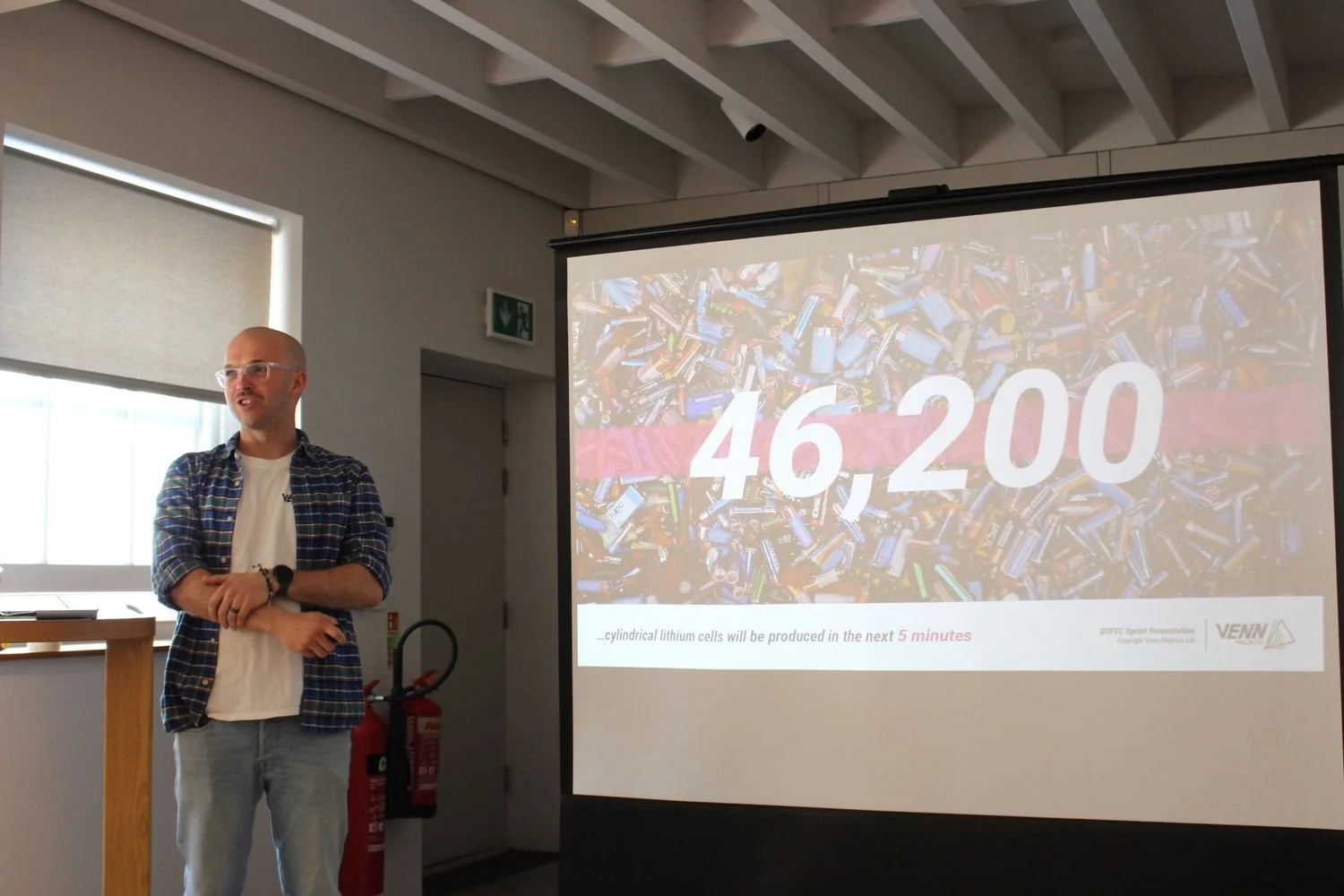
Battery repairability
Working out when recovered battery packs can safely and economically go back into service, and where the rules decide a recovered battery counts as waste. It matters now: from 18 February 2027 the EU Batteries Regulation requires batteries in light means of transport, e-bikes included, and the cells inside them, to be removable and replaceable by an independent professional.
04
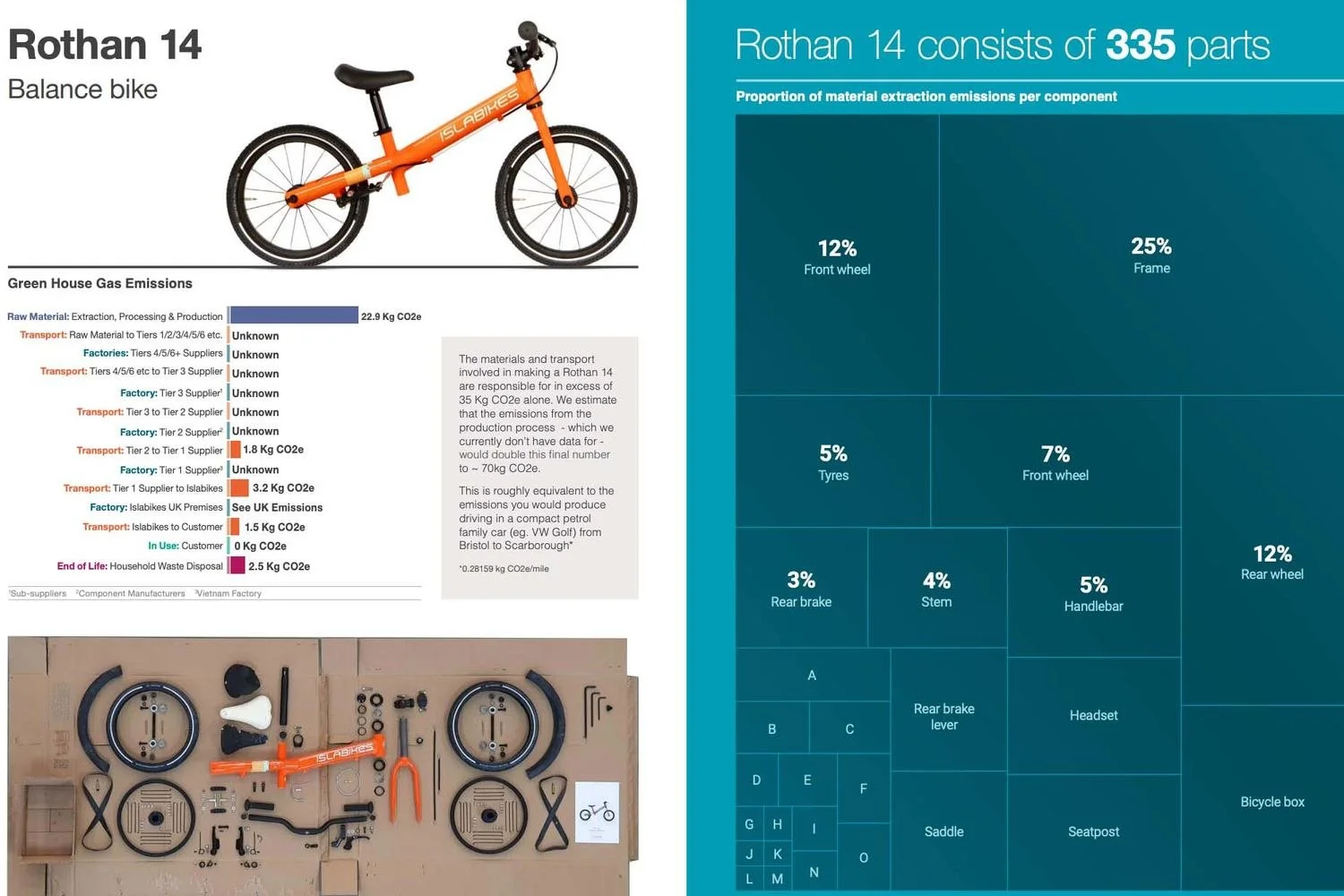
Lifecycle analysis and reporting
Lightweight lifecycle analyses to show where a product’s footprint really sits, and reporting you can stand behind.

05
Circular business models
Rental, refurbishment, take back and resale, and what each one asks of the product. A rental fleet is built around servicing; a resale product around checking and refreshing returned units.
06
Informed material choices
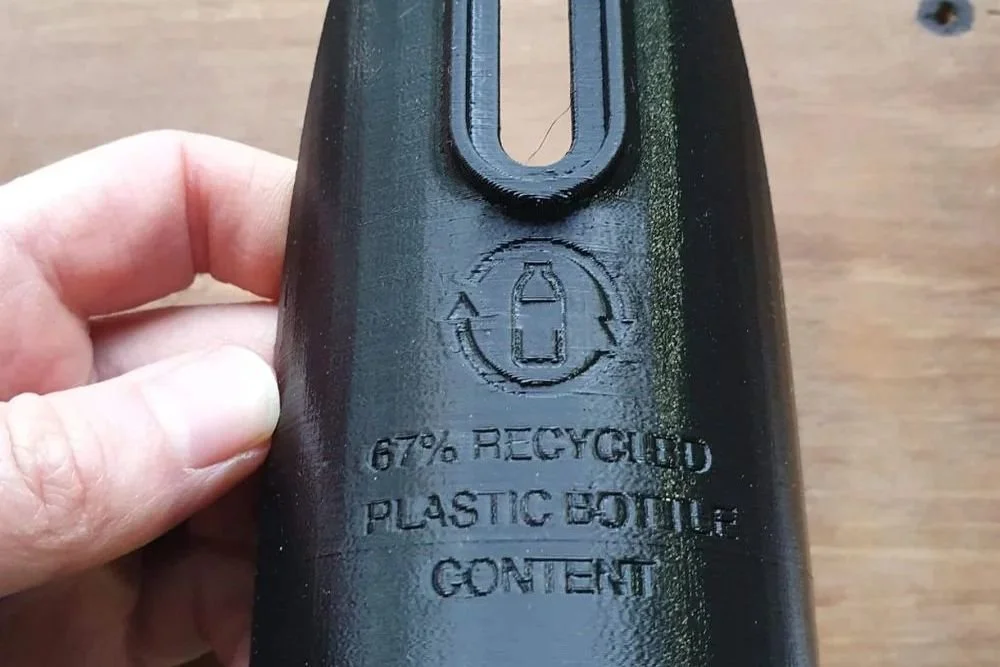
Using first hand experience of the UK’s material recovery facilities (MRFs) to influence design decisions that result in real benefit rather than wish-cycling or greenwashing.
Does circularity have to be the whole project?
No. Most of the time it’s a set of decisions inside a normal development programme: a fixing here, a material choice there, a part made available as a spare. That’s usually how I bring it in, as the engineer doing the design rather than as a separate sustainability project, because that’s where it costs least and is most likely to reach production.
How does an engagement work?
Usually as part of a wider design engagement, a day or two a week. It also works as a fixed scope: a repairability review of an existing product, or the business case for a rental or refurbishment model. There’s more on how engagements are set up on the How We Work Together page.
The repair and service guides that go with it are covered under Technical Documentation.
Case studies: Islabikes Imagine Project
On The Intersect: Post-sale revenue for hardware brands · Five lessons from Swapfiets · Designing without a mandate · The DSfEC battery pilot
Ready to take the next step?
Tell me about your project and I’ll get back to you within one working day.