
Reflections from Shift Cycling Culture’s Barcamp, hosted at Swapfiets’ North-Amsterdam warehouse, and the cross over with lessons from the Imagine Project at Islabikes.
TL;DR
Swapfiets demonstrates what a functioning bicycle-as-a-service model looks like at scale.
Early lessons from circular hardware ventures show recurring challenges: financial models, user experience, and product evolution.
Simplicity in early versions allows learning; iteration shapes durability, serviceability, and lifecycle design.
Persistence, aligned expectations, and deliberate development are often more critical than the idea itself.
Reading the Imagine Project case study provides additional insight into how these lessons play out in practice.
Last month Shift Cycling Culture held their annual Barcamp in the Swapfiets warehouse in Amsterdam. The Barcamp is an industry unconference. There is no fixed agenda and no keynote speakers. Participants propose and run their own sessions on the day, and the programme emerges from the conversations people want to have.
This particular room was filled with brands, suppliers, consultants and industry organisations working on sustainability, circularity and climate action in the cycling industry.
And then there was Swapfiets.
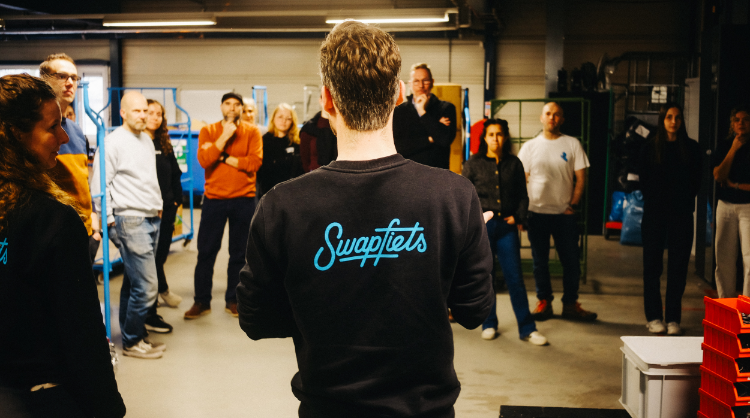
Photo credit: Swapfiets and @jonwoodroof of @twotoneams
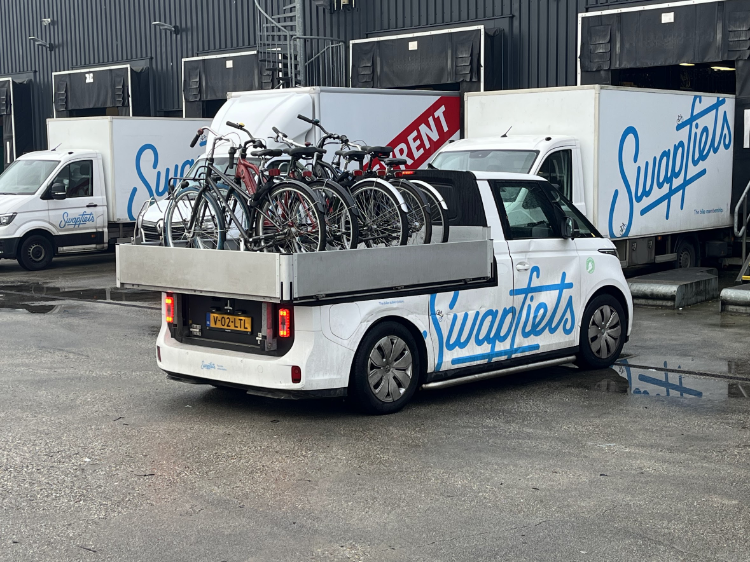
Founded in 2014 in the Netherlands, Swapfiets pioneered bicycle as a service. For a fixed monthly fee, subscribers receive a bike that is kept working. Repairs or swaps happen quickly, often at the user’s location. No ownership, no maintenance headaches, and no abandoned bikes at the end of their life.
“The customer pays for the use of a functioning bicycle - not one particular bicycle.”
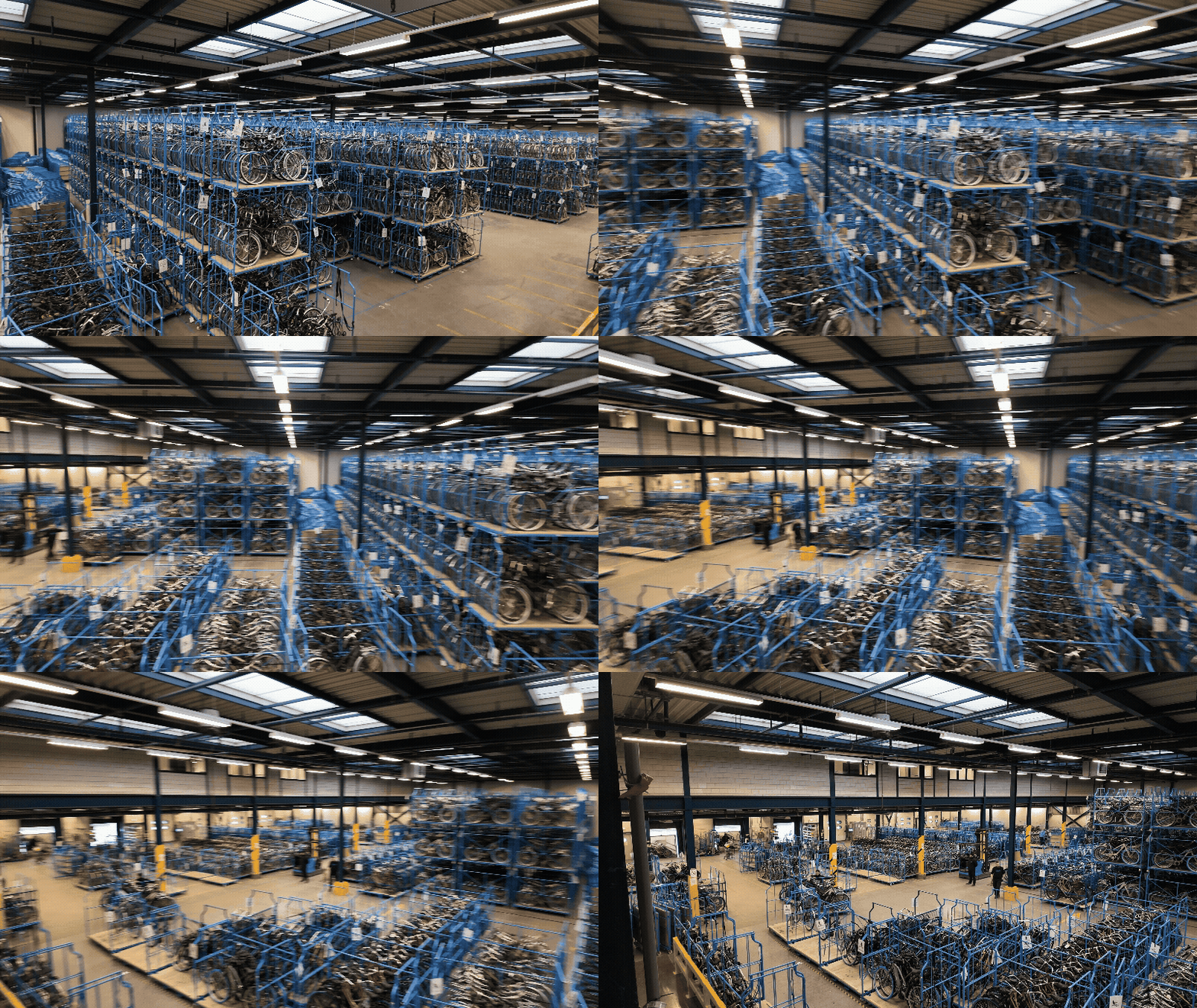
Over the last decade they have built a system centred on reuse, refurbishment and long-term asset management, now operating at significant scale across Europe. They were also the only company in the room currently running a bicycle subscription model at that scale. Most of the other discussions were about how something like this might work in practice.
A few years ago Matt was involved in exploring a similar idea. While working with Islabikes, he contributed to the Imagine Project, an incubator initiative looking at whether a children’s bicycle could be designed to last 50 years and delivered through a subscription model so the bike could remain in circulation across multiple riders. Since then, Islabikes has paused activity on the project.
Being in a room discussing many of the same questions brought familiar themes back into focus. The conversations around circular hardware businesses tend to surface the same challenges repeatedly.
Reflecting on those discussions, and on the earlier experience with the Imagine Project, a few observations stood out.
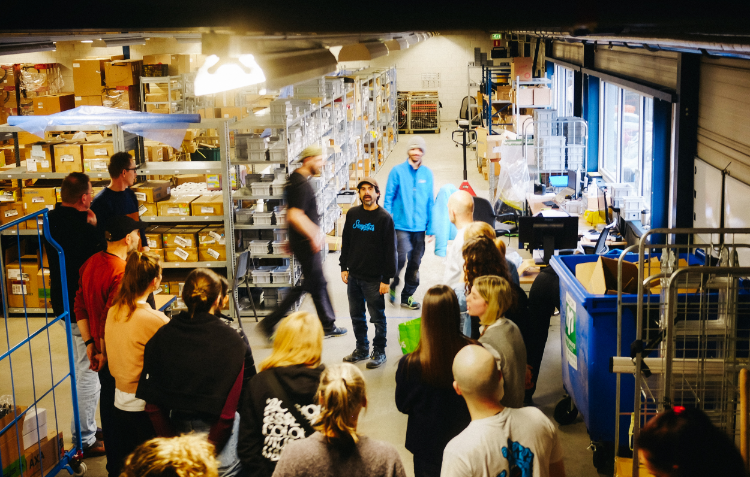
Photo credit: Swapfiets and @jonwoodroof of @twotoneams
1. The financial model shapes everything
Circular systems often face a long period before revenue from subscriptions catches up to upfront manufacturing costs. That gap requires patience and early alignment with investors, who need to understand they are funding a system, not just a product launch.
2. Blending models can create tension
Running a linear sales model alongside a circular subscription model may seem sensible. In practice, short-term sales can undermine the long-term value of the asset base, creating competing priorities.
3. The user experience has to stand on its own
Customers rarely subscribe purely for sustainability. Convenience, reliability, and peace of mind often matter just as much. Swapfiets’ early focus on removing hassle demonstrates how a circular service must deliver a tangible benefit to succeed.
4. Early versions are about learning
Starting with a simple product allows teams to test assumptions and observe durability, service intervals, logistics, and user behaviour. Early versions reveal gaps that guide future iterations.
5. The product evolves with the model
Most circular ventures start with off-the-shelf products. Over time, limitations become clear, informing more deliberate product development. Swapfiets’ bikes evolved gradually to better fit the service model, improving durability, maintenance efficiency, and lifecycle performance.
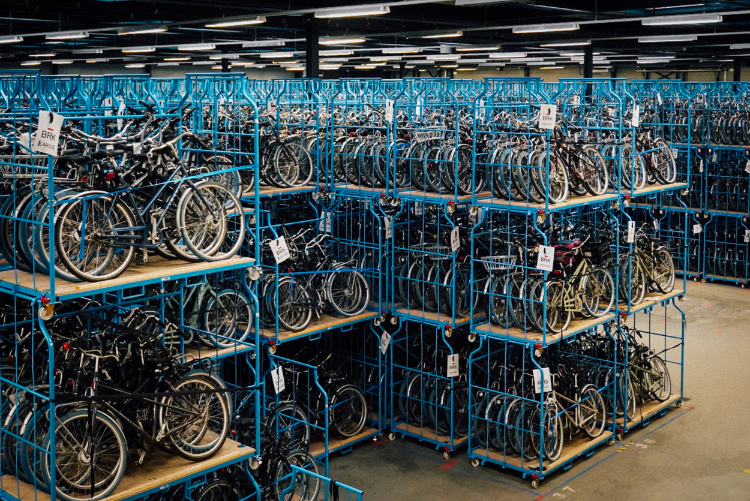
Photo credit: Swapfiets and @jonwoodroof of @twotoneams
The bigger picture
Building a circular system from scratch is challenging. Financial, operational, and product design questions all intersect. Examples like Swapfiets show the model can work, but success depends on persistence, learning, and careful iteration.
And if you are considering building a circular economy business around a piece of hardware, we’re ready to help.
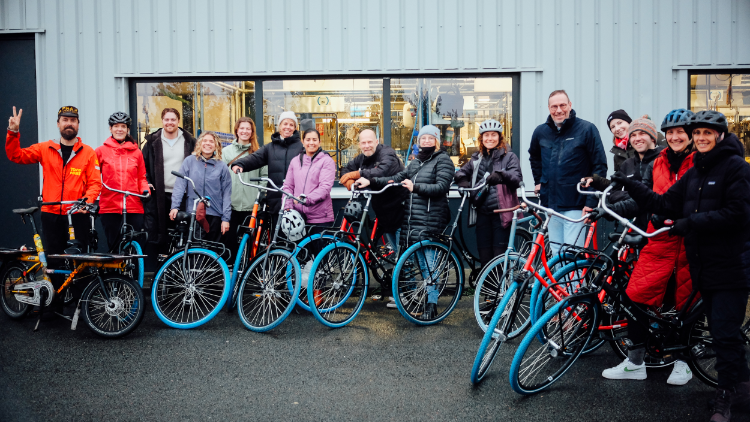
Photo credit: Swapfiets and @jonwoodroof of @twotoneams