
How We Work Together / Product Design Engineering
Product Design Engineering
I take hardware from concept to serial production: the product architecture, the CAD and drawings, the analysis, the supplier conversations and the days on the factory floor at tooling trials. One engineer throughout, so nothing gets lost in a handover.
At what stage should you bring in an engineer?
Earlier than most founders do. The decisions that are expensive to reverse get made in the first few weeks: how the product splits into parts, what it is made from, your prototyping strategy and which processes and supply partners that it commits you to. By the time a design reaches a factory, most of its cost is already locked in.
That doesn’t mean a full time hire. It means senior judgement at the points where it changes the outcome, and no one on the payroll when they would only add overhead. I usually join at one of three points:
Idea: An idea that needs taking to a proof of principle or proof of concept prototype.
Concept: A concept design that needs detailing, validating and developing for production.
In the field: A product already in the field that works but won’t scale, and needs a run of targeted engineering projects to get it there.
01
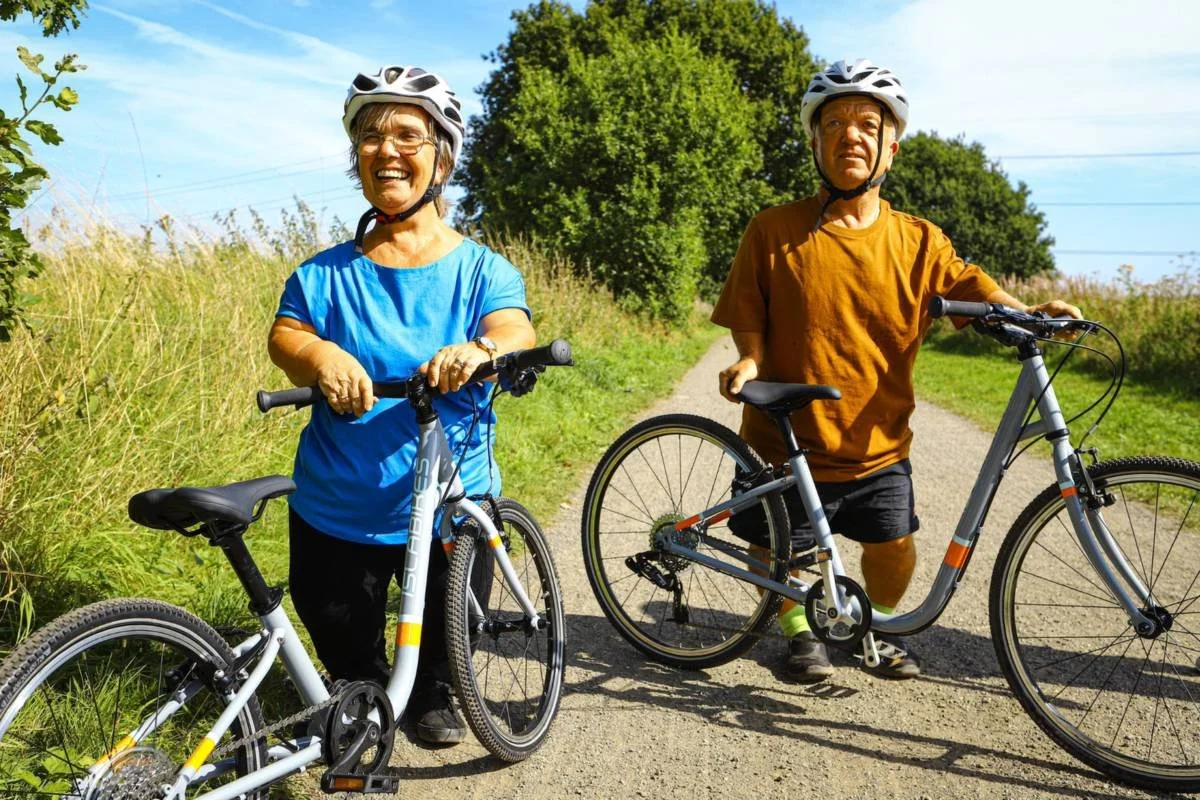
Research, ergonomics and human factors
Finding out how a product will really be used before deciding what it should be, early enough to shape the design rather than patch it later.
02
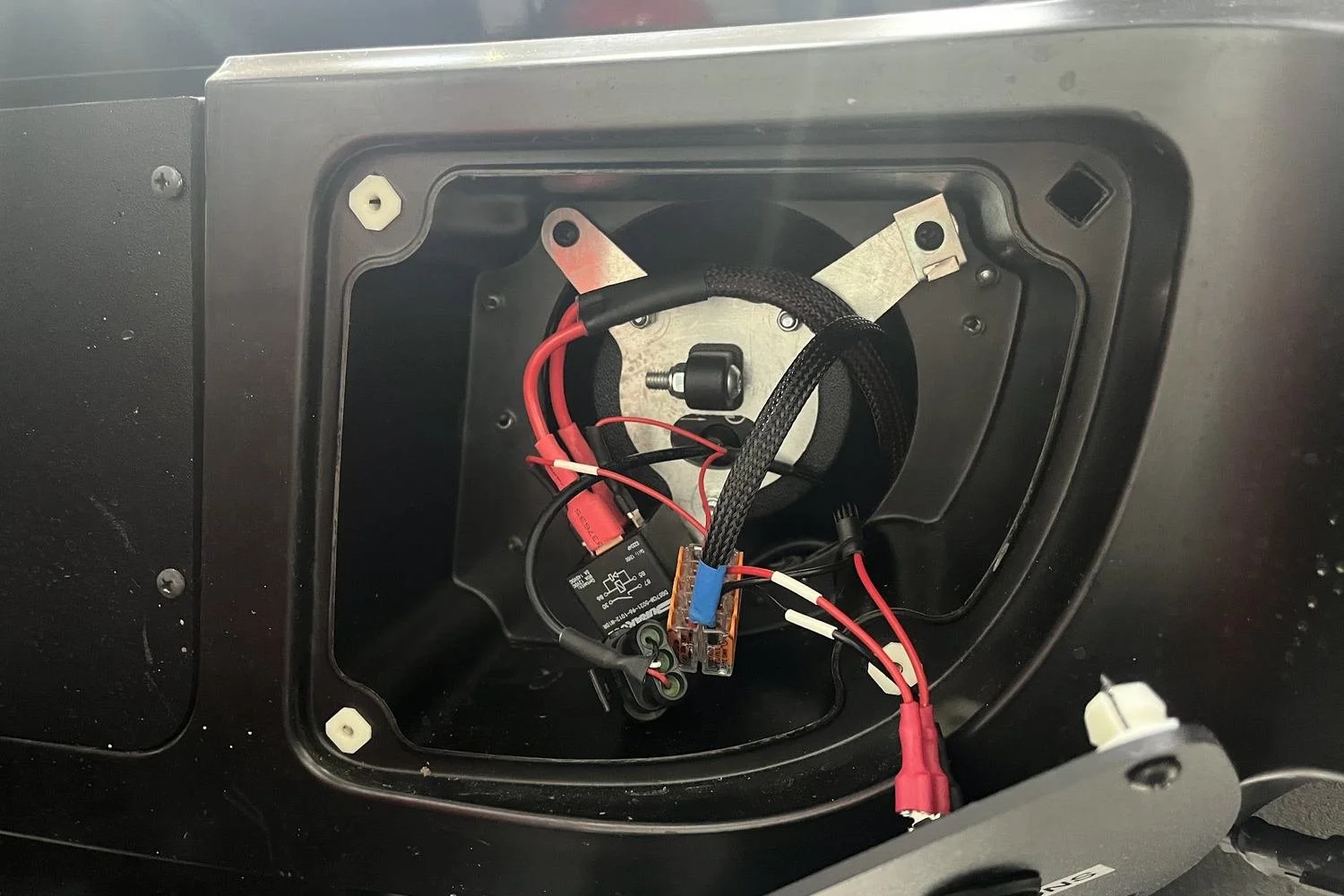
Product architecture and packaging
How the product splits into parts, what each part is made from, and how everything fits in the space available.
03
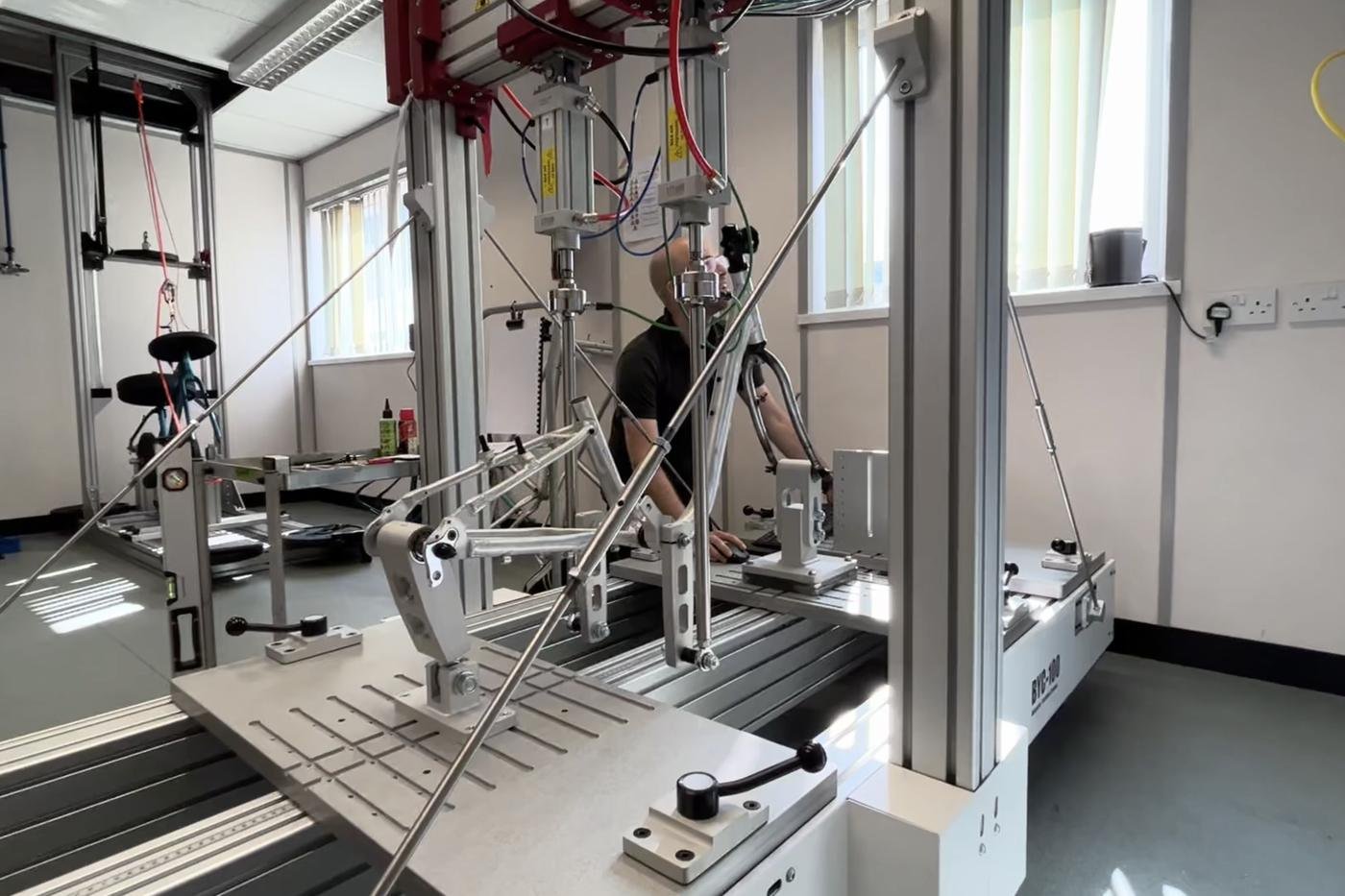
Prototypes and test rigs
I plan each prototype around what it needs to prove, from proof of principle rigs to engineering builds, so every build earns its cost. There’s more on the Prototype Builds page.
04
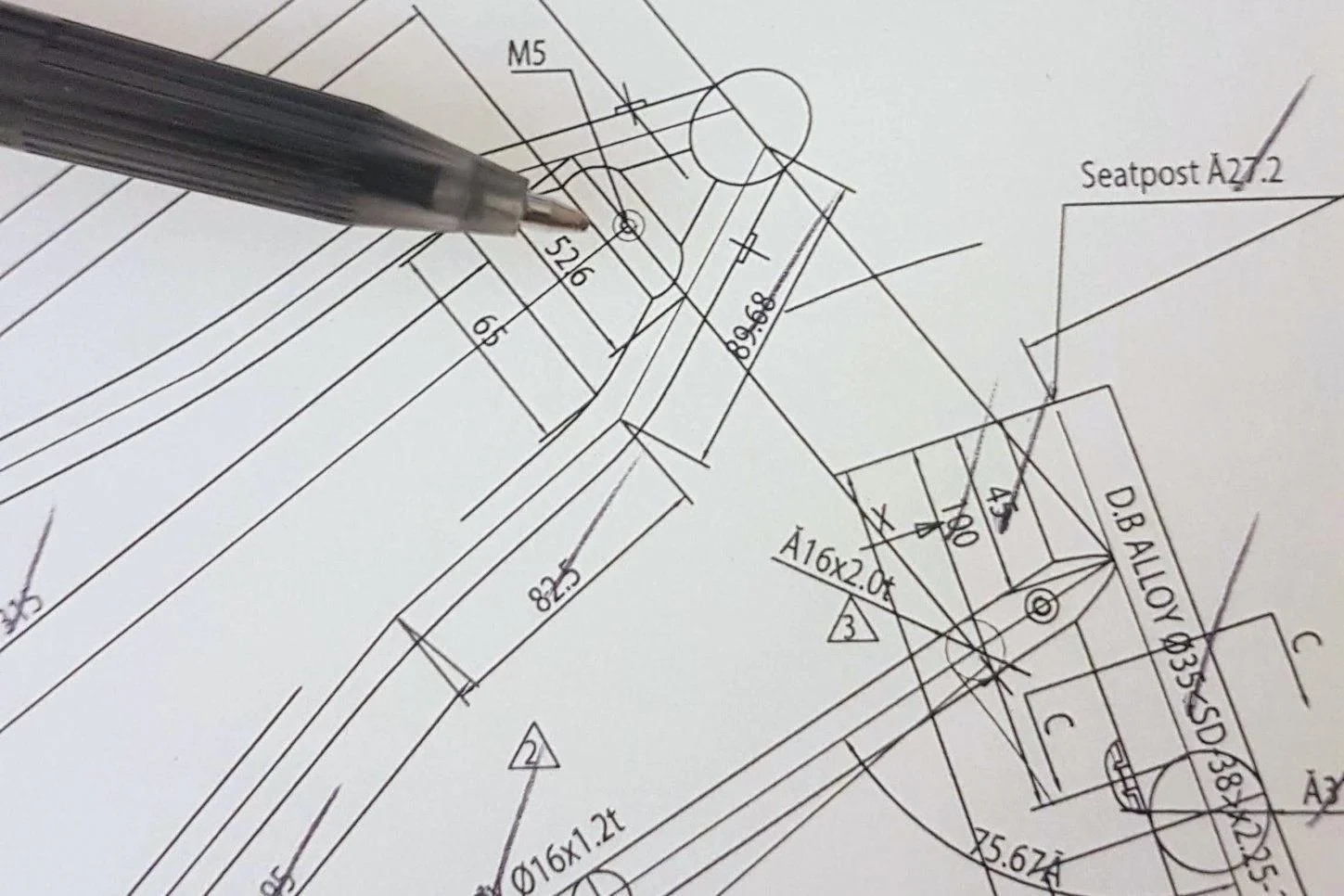
CAD, drawings and tolerances
Production intent CAD in SolidWorks or Onshape, drawing packs to BS 8888 with GD&T, and tolerance stacks based on what a supplier can actually hold rather than what looks tidy on screen.
05
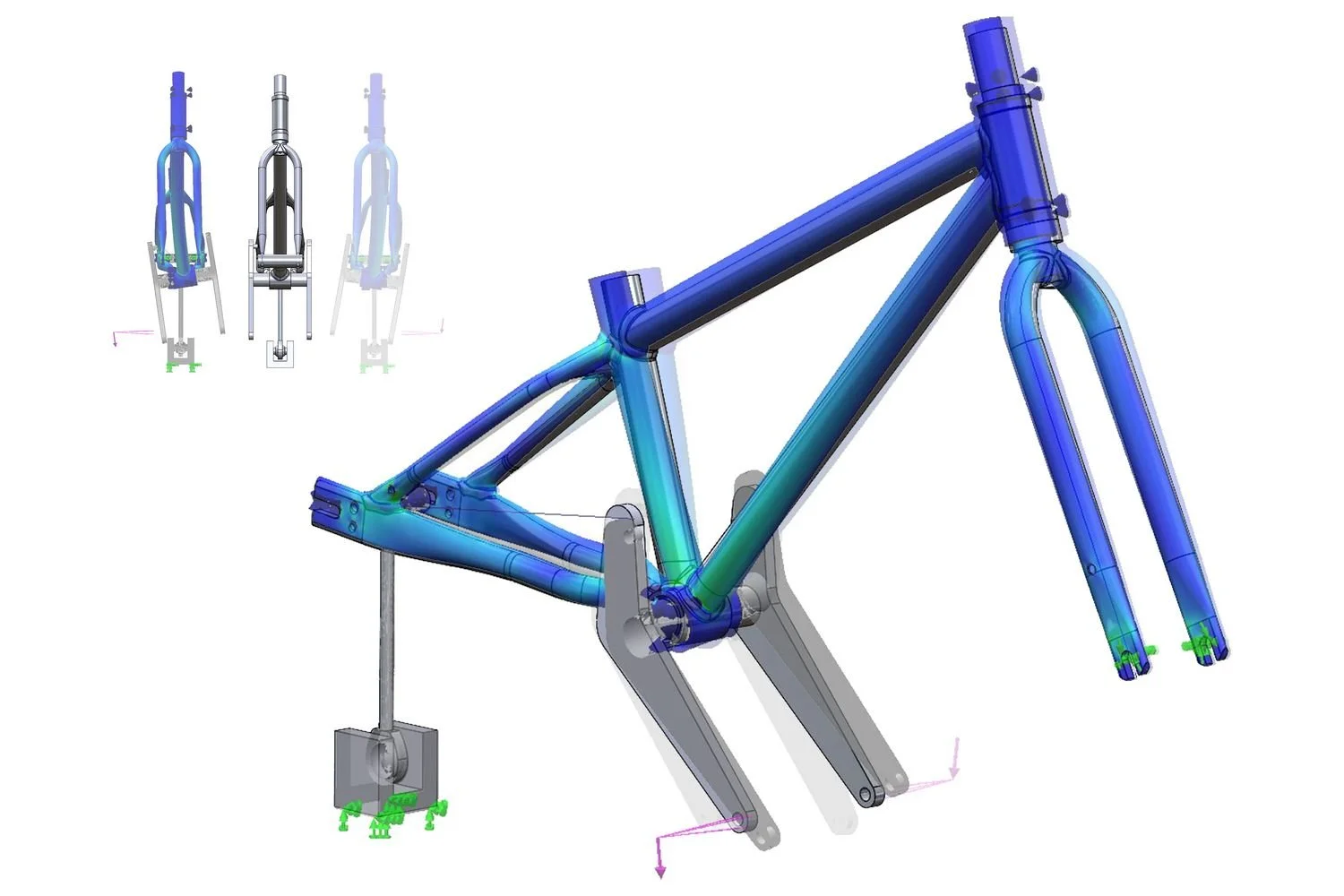
Analysis and validation
FEA where it earns its place, correlated against physical test results rather than trusted on its own. I have built validation processes in Altair SimSolid for e-bike frames and e-cargo chassis, and written durability programmes against the standard each product would be certified to.
06
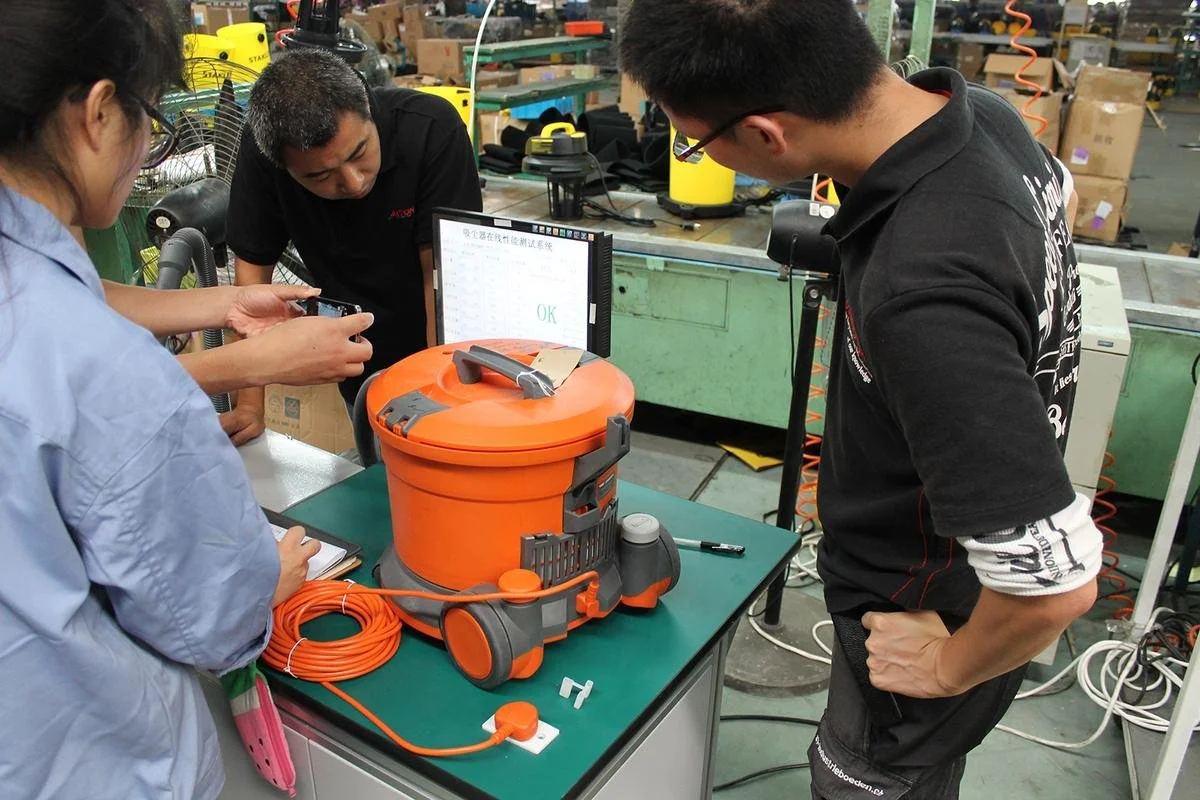
Manufacture and supplier support
DFM and DFA reviews, tooling trials and T0 inspections, engineering builds, end of line testing and pilot production, on site where being there changes the answer. I have done this with factories and suppliers in China, Taiwan, Vietnam, Germany, Austria, Portugal, the UK and the USA.
Who runs the programme day to day?
I can. Alongside the engineering I run delivery: scope, schedule, budget and risk, suppliers across countries and time zones, and the engineers doing the work. I’ve line managed engineering teams and owned a €3m e-bike platform development contract, working with the client up to board level.
I’ve also worked on the product side, owning a 36 SKU range from launch to end of life, so I can help with the decisions above the engineering too: range planning, roadmaps, and business cases built up from the bill of materials, tooling and volumes rather than down from a market size slide. If the business case rests on repair, resale or rental, that’s covered under Circular Hardware Design.
Which products do I work on?
Electrical appliances, robotics, physical AI, bicycles, e-bikes, e-cargo and micromobility. In robotics I work on the physical half: the mechanisms, drives, structures and enclosures a robot depends on, designed for real duty cycles and a route to volume production. Current work includes a harvesting robot. There’s more on each sector on my About page.
How does an engagement work?
Most engagements run as a retained day or two a week, or as a fixed scope with a defined deliverable. Either way you get the same person throughout. Typically delivered remotely, with overlap hours agreed at the start and time at the factory where being there changes the answer. There’s more on how engagements are set up on the How We Work Together page.
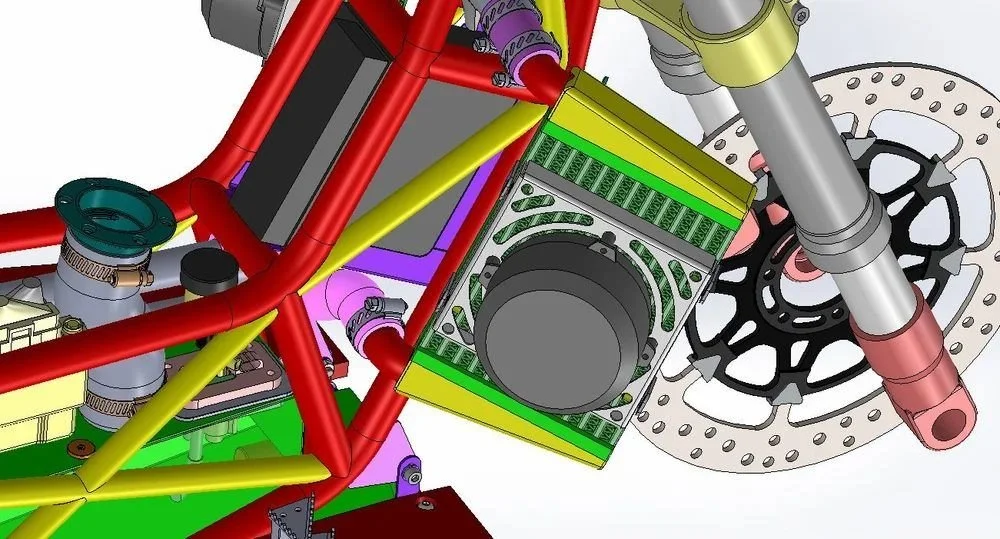
Case studies: EnoughEnergy EV charger · EAV Cargo · PiperMoto J1 · Islabikes
On The Intersect: Leading a product development team · Lessons from the FOAK valley of death
Ready to take the next step?
Tell me about your project and I’ll get back to you within one working day.