
Transitioning to a Circular Economy
Islabikes Imagine Project
Islabikes had a bold idea — to move from selling bikes to stewarding them across their entire lifecycle. The Imagine Project had explored what that could look like. The question was whether it could actually work. Part of Matt’s role as Head of Product was to find out.
Duration: 12 Months
Stages: Scoping & Implementation
Basis: In-House Head of Product
-
Circular economy thinking is easy on a whiteboard. Making it work inside a real, profitable, operating business is something else entirely.
Islabikes needed to understand whether their products could physically withstand a circular model, and if so, how to design and test for it systematically. In the cycling industry at least, this was relatively uncharted territory.
-
As Head of Product, Matt's role was to translate circular economy ambition into engineering reality. That meant answering four fundamental questions:
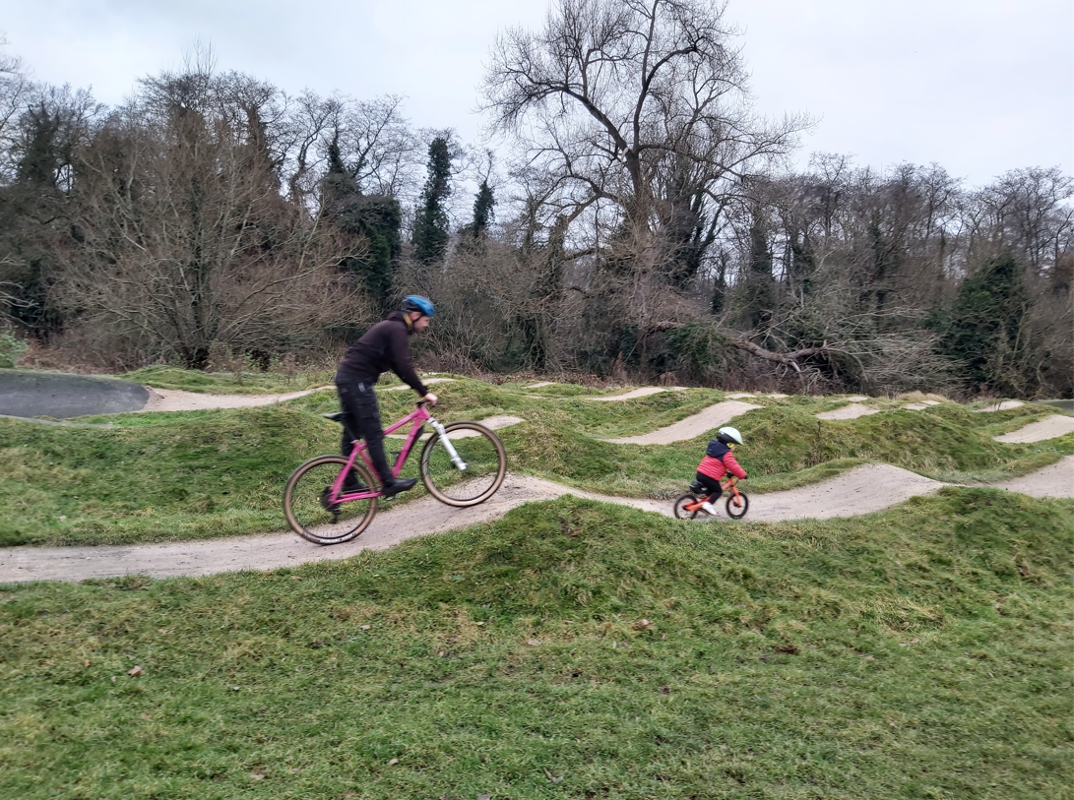
How are these bikes actually being used in the real world?
Can we simulate that accurately?
How long can the product withstand repeated use and reuse cycles?
When components do fail, in what order and why?
The answers to those questions would determine whether a circular model was viable at all.
-
The programme of work Matt delivered over 12 months was broad and deeply practical:
Real-world load data was gathered from riders using Arduino powered data loggers, then used to develop and validate FEA simulation models in collaboration with Faction Bike Studio in Quebec.
A successful match-funded Made:Smarter grant application funded the purchase of fatigue testing equipment, which was used to commission an in-house test lab from scratch.
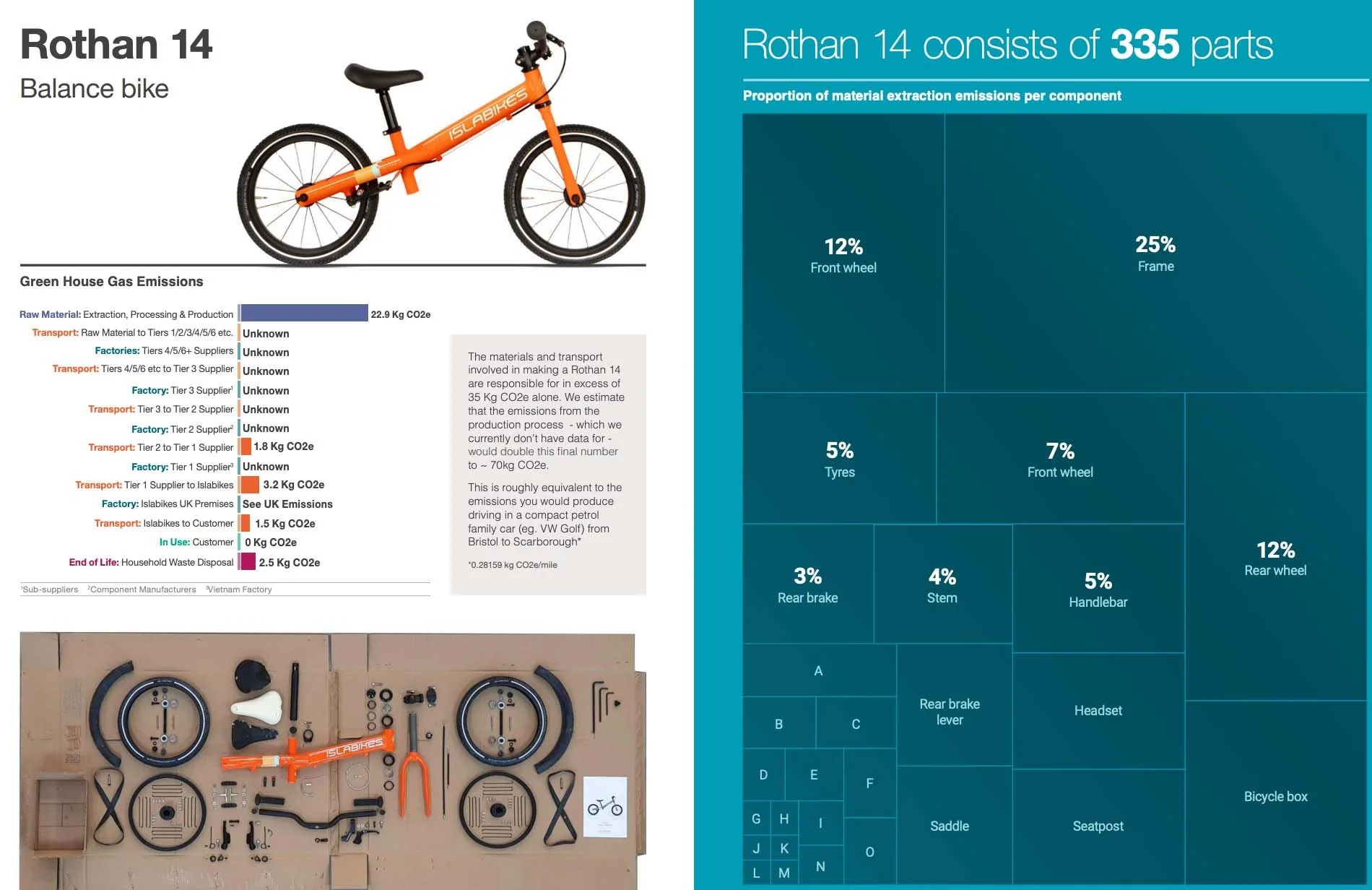
A non-destructive testing strategy was developed with the IMechE Argyll Ruane to assess the condition of returned frames and forks. Lightweight lifecycle analyses were completed across key components.
New product development was reoriented towards design for repair and material separability.
Islabikes published their first ever impact report, with Matt creating all of the factual content and diagram frameworks.
Taken together, this body of work gave Islabikes the tools, data and processes needed to make an informed decision about whether and how to pursue a circular model commercially.

Rothan with Arduino-powered saddle load data logger

Strain gauge fitted to a bicycle seat tube

Strain gauge data plot pre-binning and counting

Pedal fatigue FEA study using Solidworks Simulation
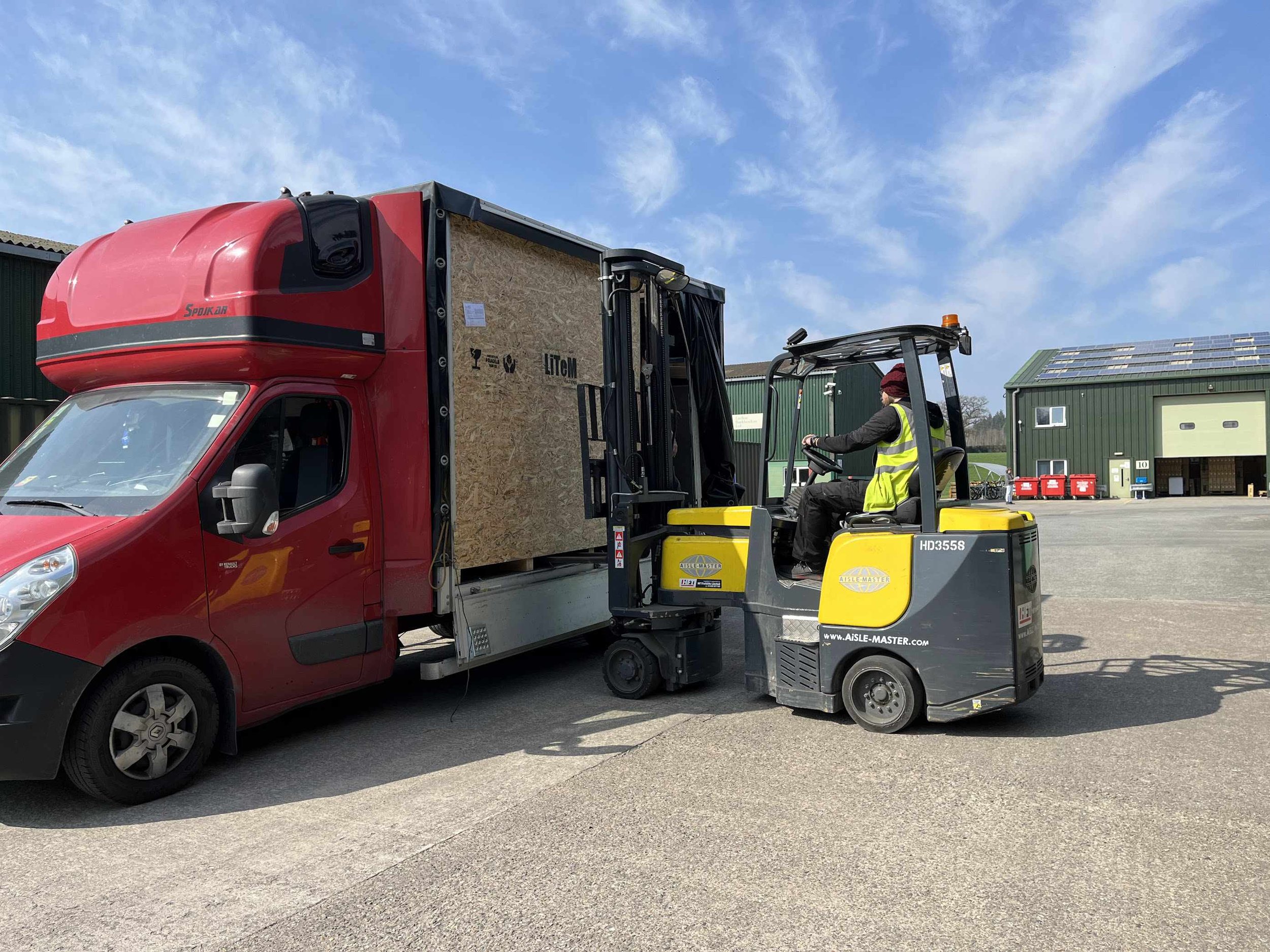
Fatigue test equipment delivery after successful Made:Smarter grant funding
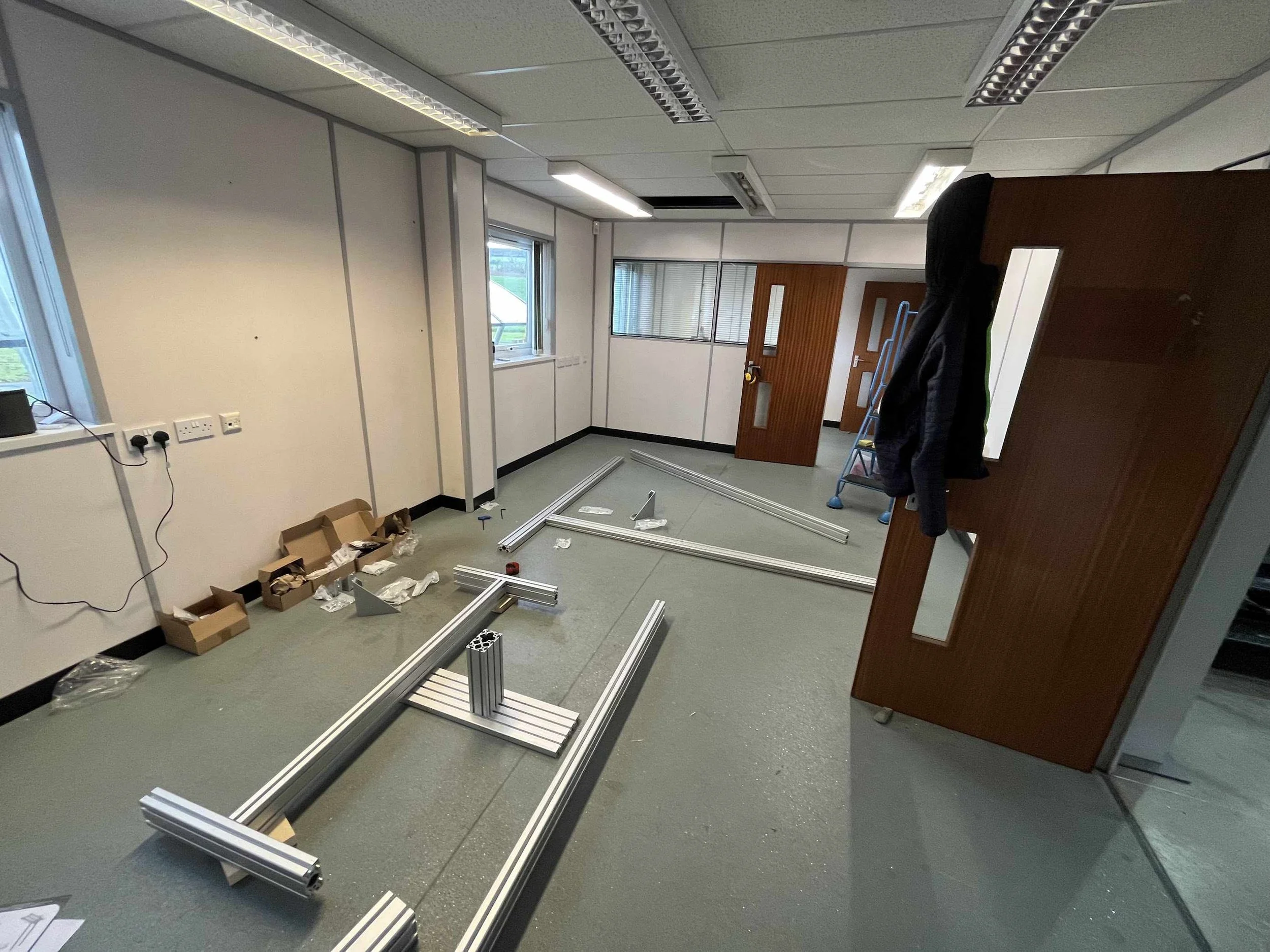
Beginning the fit-out and construction of the in-house test lab

Structural testing frames in the newly commissioned lab facility

Bicycle teardown to collect information for lightweight LCA (lifecycle analysis) study

Graphic showing distribution of C02 emissions across a bicycle's parts

3D Print prototype of a component designed to improve material separability