
It might be, and I’m not sure that is the bad news it sounds like. Two things that used to be hard have become easy at the same moment. Creating a 3D file used to take years of practice, and this year it started taking a prompt. Turning that file into an object used to need a factory, and now the machine fits in the cupboard under your stairs. A lot more products are about to be made by a lot more people, and it is fair to ask what a product designer or engineer like me is now for.
Has creating a 3D file ever been easier?
For most of my 14 years in product development, the ability to create a 3D file has been a bar to entry. If you wanted a part made, you needed someone who could model it, and that skill took years to build. Through most of 2025, the AI tools promising to change that were impressive in a demo and frustrating on a real project. This year, something shifted. Democratised access to digital design tools has made 3D file creation easier than it has ever been, both for people with no CAD training and for those who have spent a career doing it the long way.
What happens when the kit fits under the stairs?
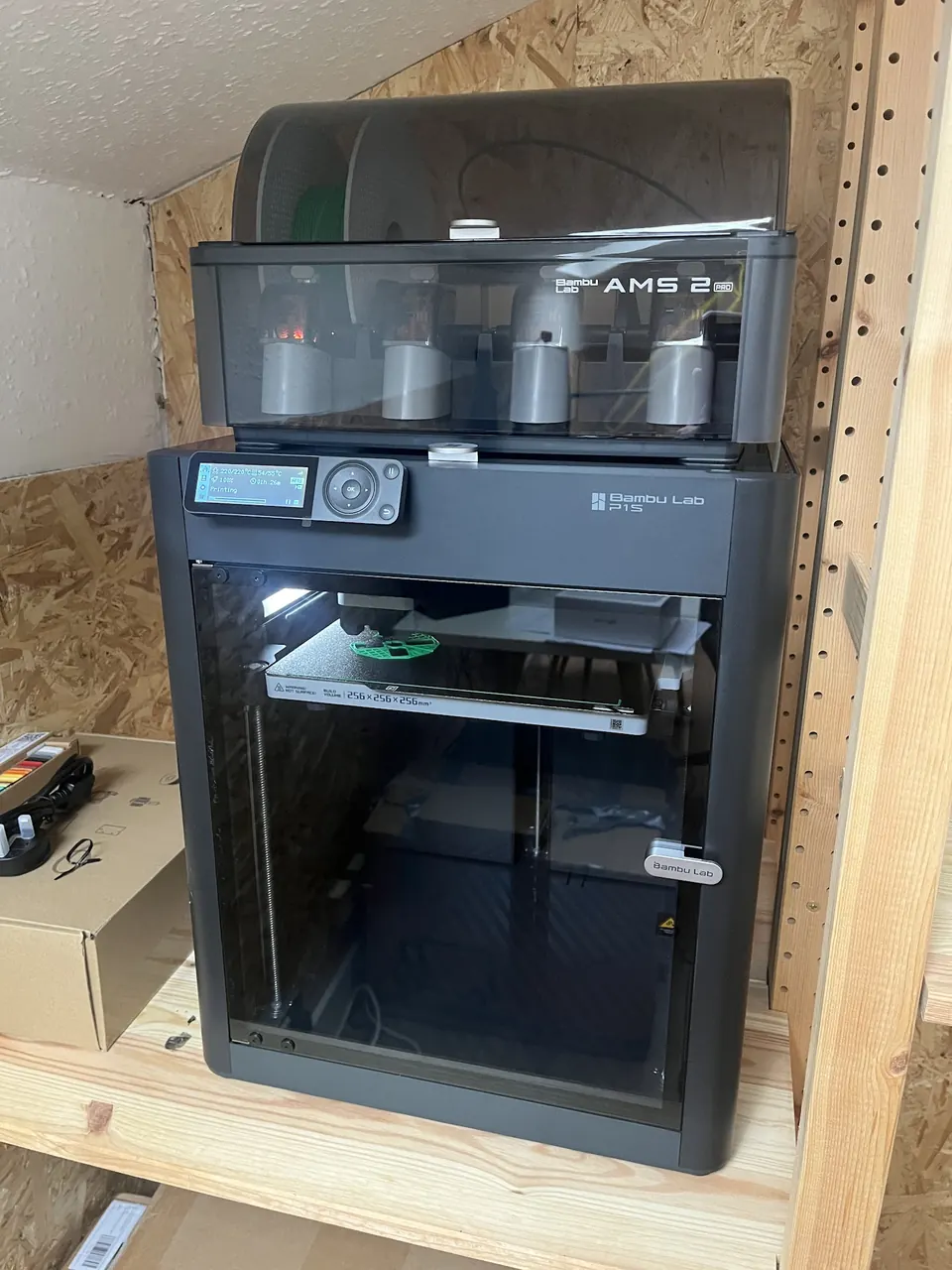
The other half is hardware. Prices for the kit a small team needs to make its first parts have plummeted, and the machines themselves have shrunk to fit a domestic setting.
| Process | What it used to cost | What it costs now |
|---|---|---|
| FDM printing | Over £7,600 ($10,000) before the patent expired in 2009 (TechCrunch) | Under £1,900 ($2,500) for the class of machine that earned 54% of the industry’s hardware revenue in early 2026 (CONTEXT data) |
| SLA resin printing | £2,500 ($3,299) for the first desktop machine (3DPrint.com) | £135 ($179) for an entry level machine (3DMag, September 2026) |
| SLS powder printing | £150,000 to £380,000 ($200,000 to $500,000) or more for a traditional industrial system (Formlabs) | £21,900 ($28,989) for a benchtop system, and a desktop machine launched at £2,270 ($2,999) in 2024 (Tom’s Hardware) |
| CNC milling | £69,000 ($91,500) for a used compact 5 axis machining centre (dealer listing) | From £830 ($1,099) for an enclosed desktop mill (maker’s price list), and £7,200 ($9,499) list for a desktop 5 axis machine now on Kickstarter (Creative Bloq) |
Sterling figures are converted from the US dollar prices in each source at about $1.32 to the pound, the rate this week, and rounded.
These aren’t like for like. A mill you can lift onto a shelf won’t do what a machining centre does, and a £135 resin printer is not a production tool. What has changed is the cost of having a go, and getting pretty far down the track! In the first quarter of 2026, shipments of printers under £1,900 ($2,500) were up 39% on the year before, and they brought in more than half of the 3D printing industry’s hardware revenue. Four brands, all of them Chinese, shipped 88% of those machines. The tools feeding this wave are themselves made in China, and they are very good.
Hasn’t a barrier like this fallen before?
China joined the World Trade Organization in December 2001. What followed was less about tooling and more about people. Western brands gained access to a dramatically lower cost of labour, held down by state policy and backed by generous support for exporters, with WTO membership opening the door. Anyone with an idea and a modest budget could suddenly have a product made and shipped. Plenty of it was good. A great deal of it was a copy of a copy, and for years ‘Made in China’ was shorthand in the West for something that would break. That reputation is long out of date.
The flood then came from cheap access to making things at volume. This one starts earlier, with cheap access to designing them and making the first few. Investors put £36 billion ($47.4 billion) into physical AI startups in the first half of 2026, almost four times the half before, so there is no shortage of people about to try.
Why is this good news if you are hiring a designer?
Here is the part I find exciting. For too long, service providers in my field have been able to hide behind a moat formed of exorbitant CAD licence fees and high maintenance, poor reliability prototyping machinery, typically leased. If you had the software and the machines you had a business, whether or not you were adding much value to the process.
The moat is draining and, to be honest, I’m here for what that brings, at least in the short term. It forces the value proposition to focus on genuine value add for the client, and puts the question you should have been able to ask all along: what are you adding that I couldn’t get without you? Furthermore, it frees up the process to operate beyond the constraints of simply repaying the software and kit bill that the agency committed to prior.
How could my discipline get this wrong?
The quickest way for designers and engineers to fail here is arrogance or burying their heads in the sand. It is tempting to look at a founder with a prompt and a printer and list everything they don’t know. I recognise the temptation in myself. But the people coming into hardware now are bright, fast and well funded, and telling them they need a designer because designers have always been needed is not an argument. Nor is belittling the competency of a technology that very few of us had used 12 months ago, yet floated on the NASDAQ this week at a valuation of roughly £1.1 trillion ($1.5 trillion). The world has changed, and so must those of us who design for it.
So what are you paying for?
I keep coming back to five things, and none of them live in the software.
Battle scars. I have stood on a production line and had to stop it, justifying that decision to a factory owner that’s understandably protective over maintaining their margin. I have watched a design lose six months while a factory redrew it. I was inside a venture when it fell into the first of a kind valley of death. None of that is knowledge I could have looked up, because most of it was learned by getting it wrong, often alongside people who knew better than I did. It is what tells you which problem to worry about first.
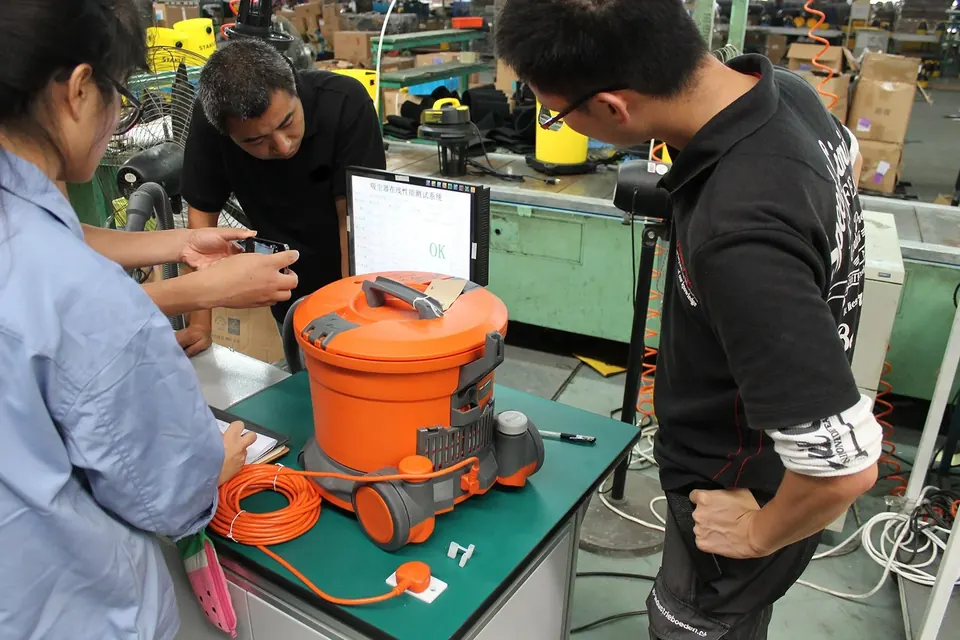
People. Products get made by people who trust each other. A supplier who picks up the phone, a factory owner who will do you a favour when the schedule slips, a client who feels able to tell you the truth about their budget. That trust is built face to face and slowly, and it depends on reading the room far more than on reading a drawing.
The human experience. A tool can tell you whether a part can be made. It can’t tell you whether anyone should want the thing. Someone has to sit with a value proposition and ask what it will be like to live with: to pay for, to carry up the stairs, to fix when it breaks. That takes having lived a bit, and being willing to say so when the answer is uncomfortable.
Noticing. The best decisions I have seen in product development came from someone paying attention to the world outside the project: how people really use things, what they have stopped trusting, what a wet winter or a busy family does to a product over five years. When I wrote in January about the backlash against product complexity, it didn’t come from data. It came from listening to clients and to people who had simply had enough.
Critical and lateral thinking. Being able to creatively solve a problem without getting lost down a hyperobsessive, tunnel vision track on ‘auto mode’, and then being able to critique the various approaches based on lived experience. The tools are quick, but quick in one direction. Someone has to step back, try the sideways route and judge the options against what they have seen work and fail.
What did the last flood do for design?
I have been wondering whether the last flood is what pushed my discipline to grow up. As the making moved East, designers in the West had to work out what they were for, and two things stand out from those years.
The first is how much better designers got at understanding people. The human centred approach that the likes of IDEO had been practising since the 1990s went mainstream in the mid 2000s, and Stanford opened a school to teach it. The business press of the day made the link directly: BusinessWeek argued in 2005 that the rise of China and India would force Western companies to choose between ever cheaper goods and innovating, and described design thinking as an edge that outsourcing couldn’t beat. I can’t prove one caused the other, but the timing is hard to ignore.
The second is that the discipline started to take responsibility for what it was creating. The European directives on electronic waste and hazardous substances became law in January 2003, and designing for a product’s whole life moved from a niche interest to part of the job. It was a first version of sustainability, and an imperfect one.
If that flood gave design its human centred methods and a first version of designing for environmental impact, what will this one ask it to learn? My hunch is that a world with far more products in it will need people who care about what happens to them afterwards more than ever, and that the next version of sustainability will be written by the people who stayed curious.
Does this resonate?
I don’t have this worked out, and I would be wary of anyone in my field who says they do. How could anyone possibly, when the picture is so dynamic? What I do believe is that the next few years will ask more of designers and engineers as people than as CAD operators, and I think that is healthy. If you are a founder working out where human help is worth paying for, or a designer wrestling with the same questions, I would like to hear how it looks from where you are.
For what it’s worth, I develop products for hardware ventures and build their first batches of units through First100, and the first call is free.