
‘Design for Disassembly’ is a methodology consistently reinforced in conversations around the transition to a circular economy amongst product designers and engineers. Indeed, it’s a core principle of the 9 R’s of the circular economy, but how does it mesh with the realities of end of life in our existing systems?
As part of the DSfEC pilot program, several of the cohort were very generously given a ‘warts and all’ run through and tour of the SWEEEP Kuusakoski WEEE recycling facility in Sittingbourne, Kent
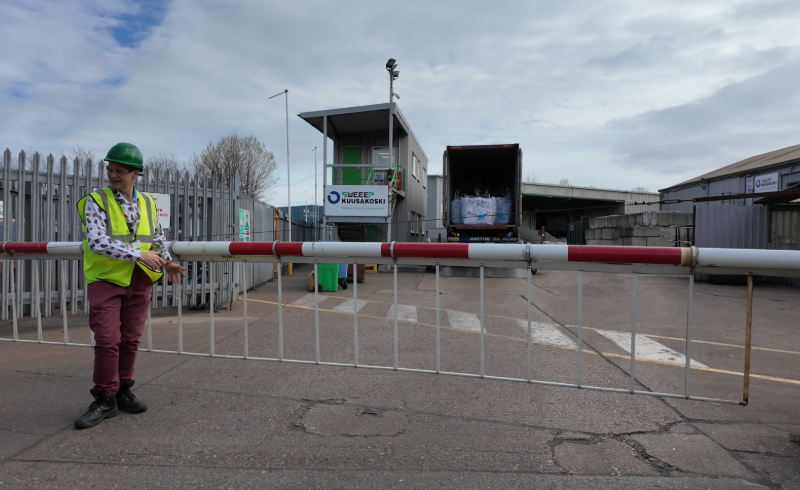
Justin Greenway (Commercial Manager at SWEEEP Kuusakoski) showing the start of their WEEE recycling process…
Waste Electrical and Electronic Equipment (WEEE) is one of the fastest growing waste streams globally, driven by consumption, obsolescence and rapid product cycles.
According to the Environment Agency, in Q4 of 2025 alone, the UK collected over 32,000 tonnes of types 2-10 of household waste electronic & electrical equipment (see here for further information on the classifications).
“Prior to the single-use vape ban, 8 million were thrown away in the UK every week.
Following that ban, the number is still at 6.3 million per week...”
The scale is difficult to grasp until you see it firsthand. Large volumes of mixed electronics move continuously through the system, each designed for use rather than recovery.
It’s why the process is far more brutal than textbook design education would lead you to believe…
The Process:
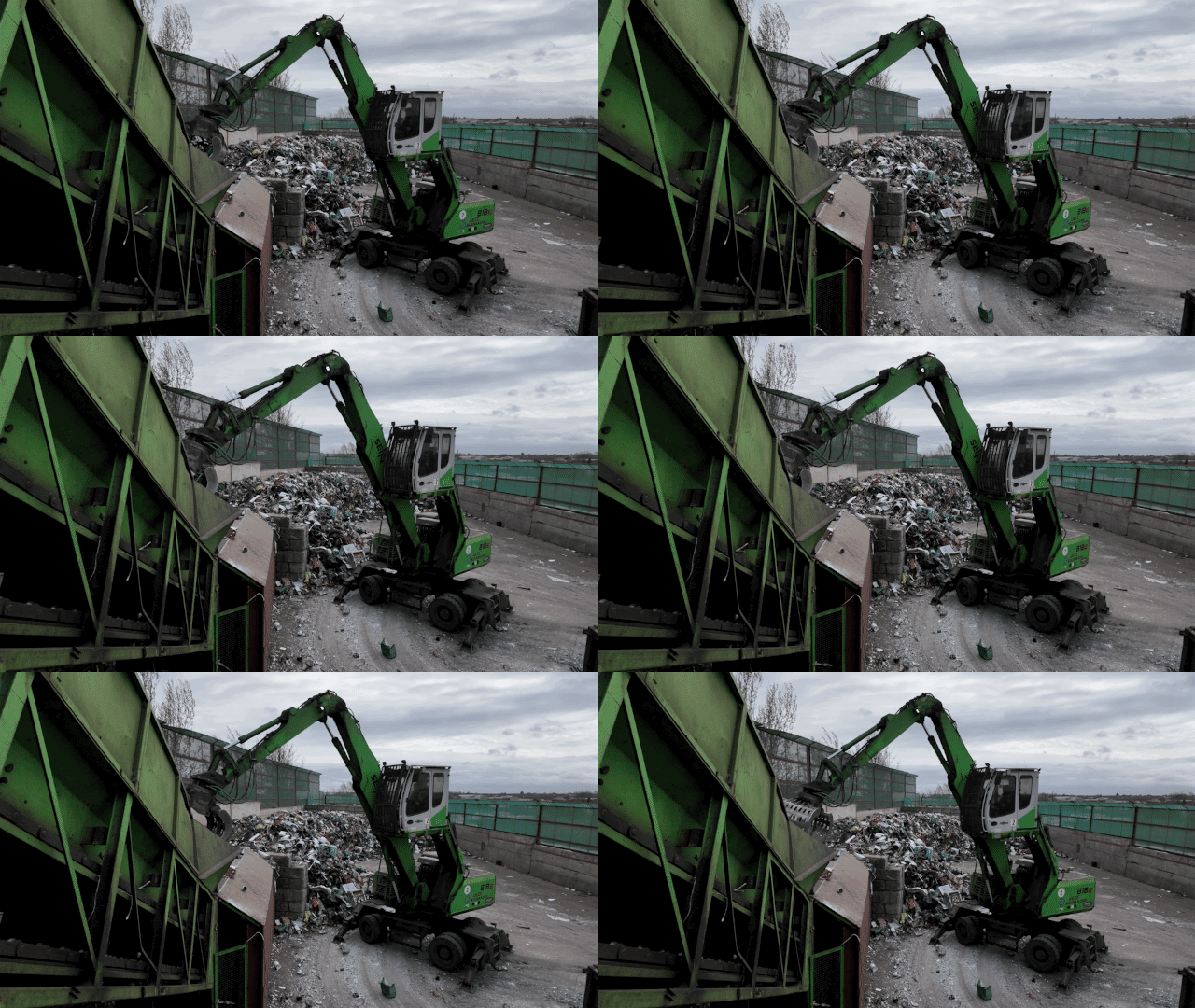
STEP 1 IN-FEED
The deposited WEEE from the lorries is loaded via a grabber onto a conveyor belt that feeds into the facility.
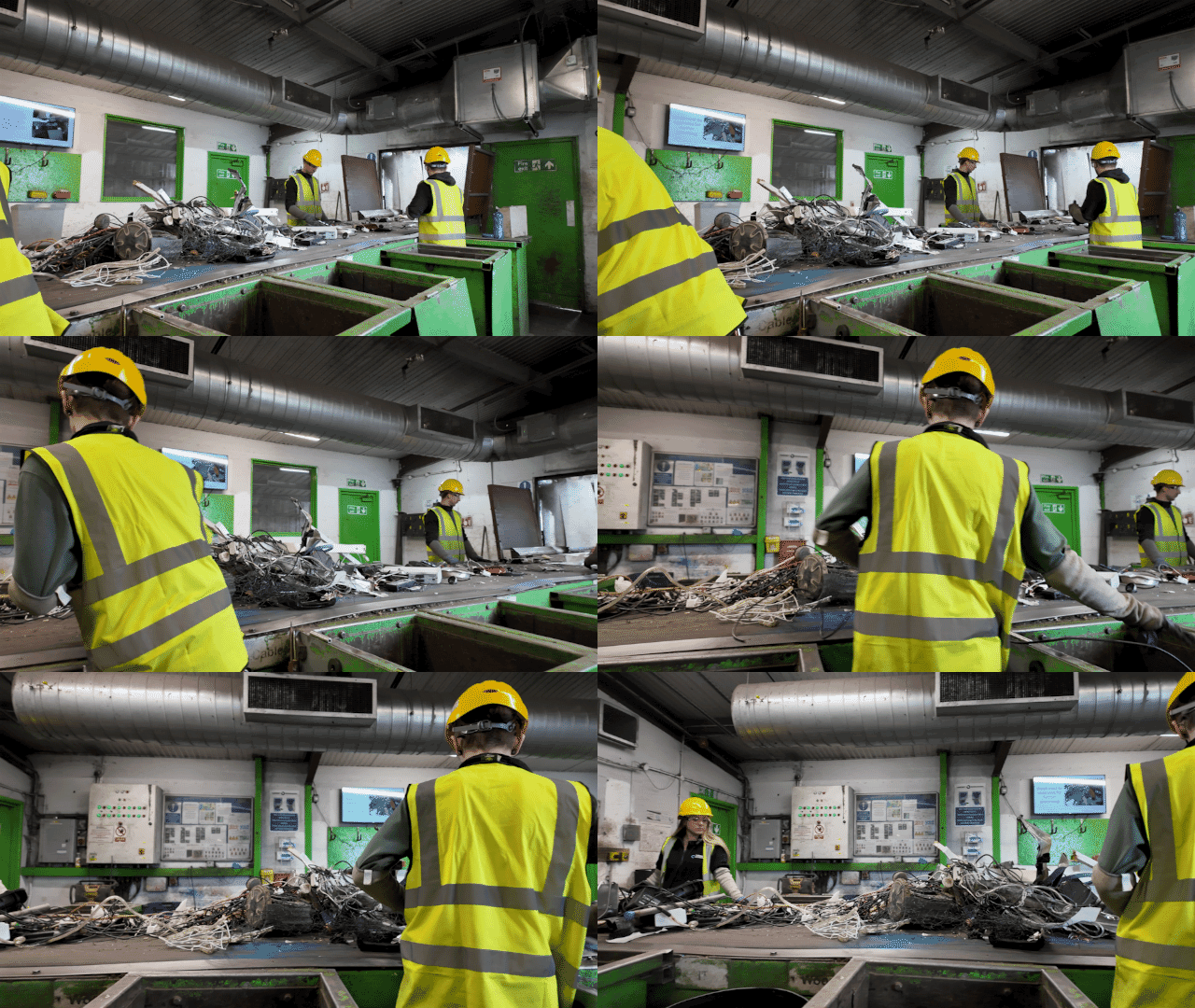
STEP 2 PRE-SORT
The SWEEEP team manually separate:
Anything that has value in its current state
(PCBs, wiring etc)Anything that represents a hazard to the team or plant
(Batteries, vapes, anything containing refrigerant etc)Anything that could damage the facility
(Printer toner cartridges etc)
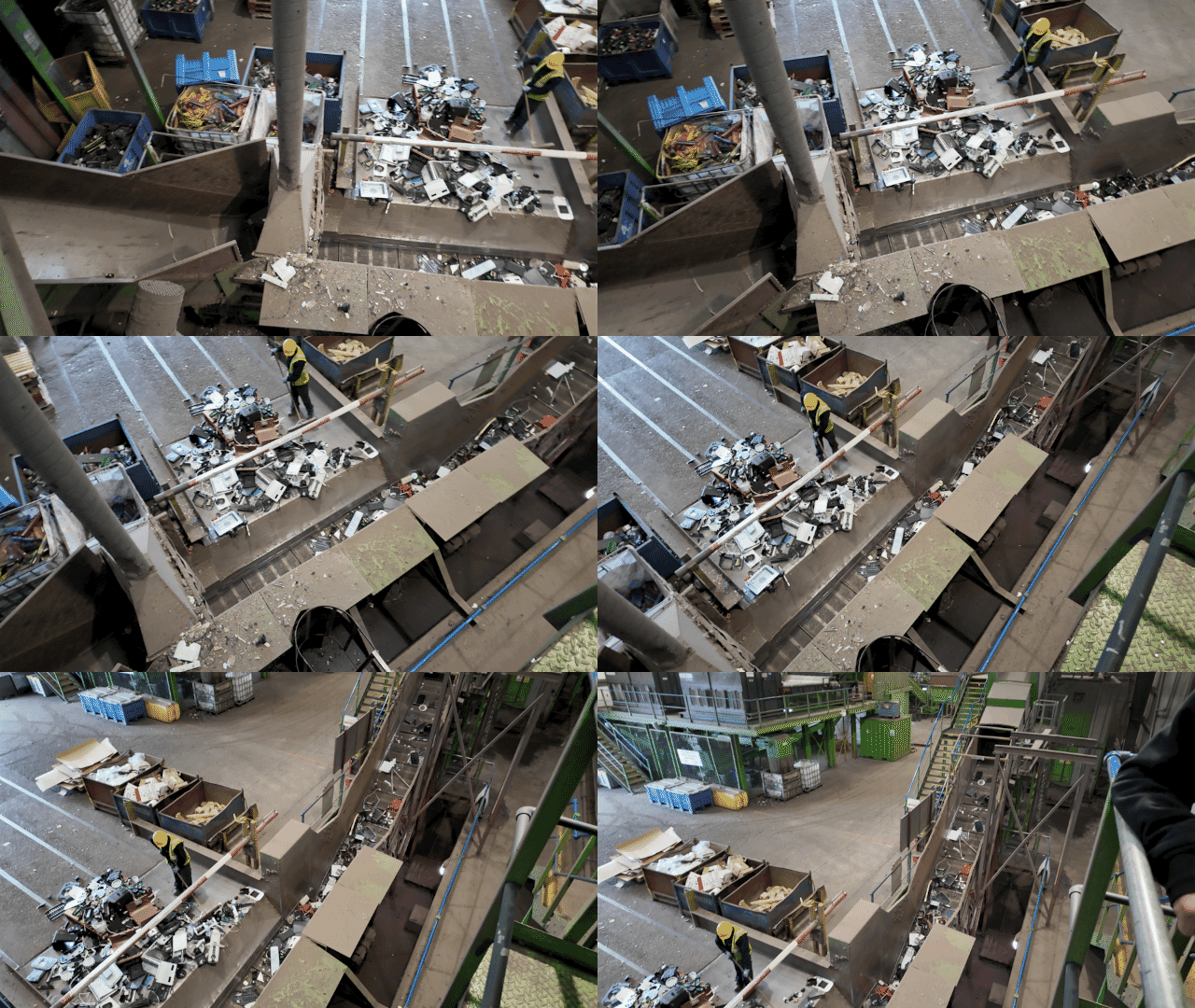
STEP 3 ADDITIONAL ITEMS
At this point, SWEEEP have the option to introduce any additional WEEE that has already been characterised and understood.
An example of this could include batched take back waste from a specific manufacturer.
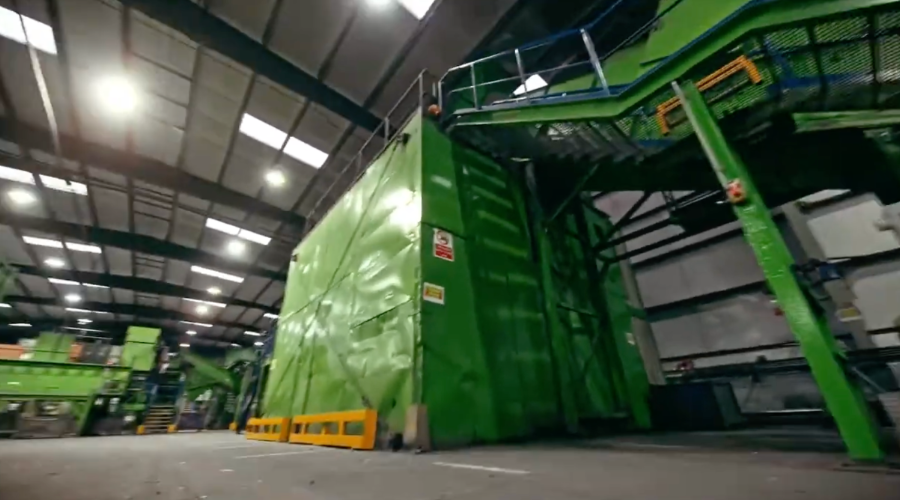
Feast your eyes, Blendtec…
Inside this unassuming green box is a machine built to “disintegrate” appliances.
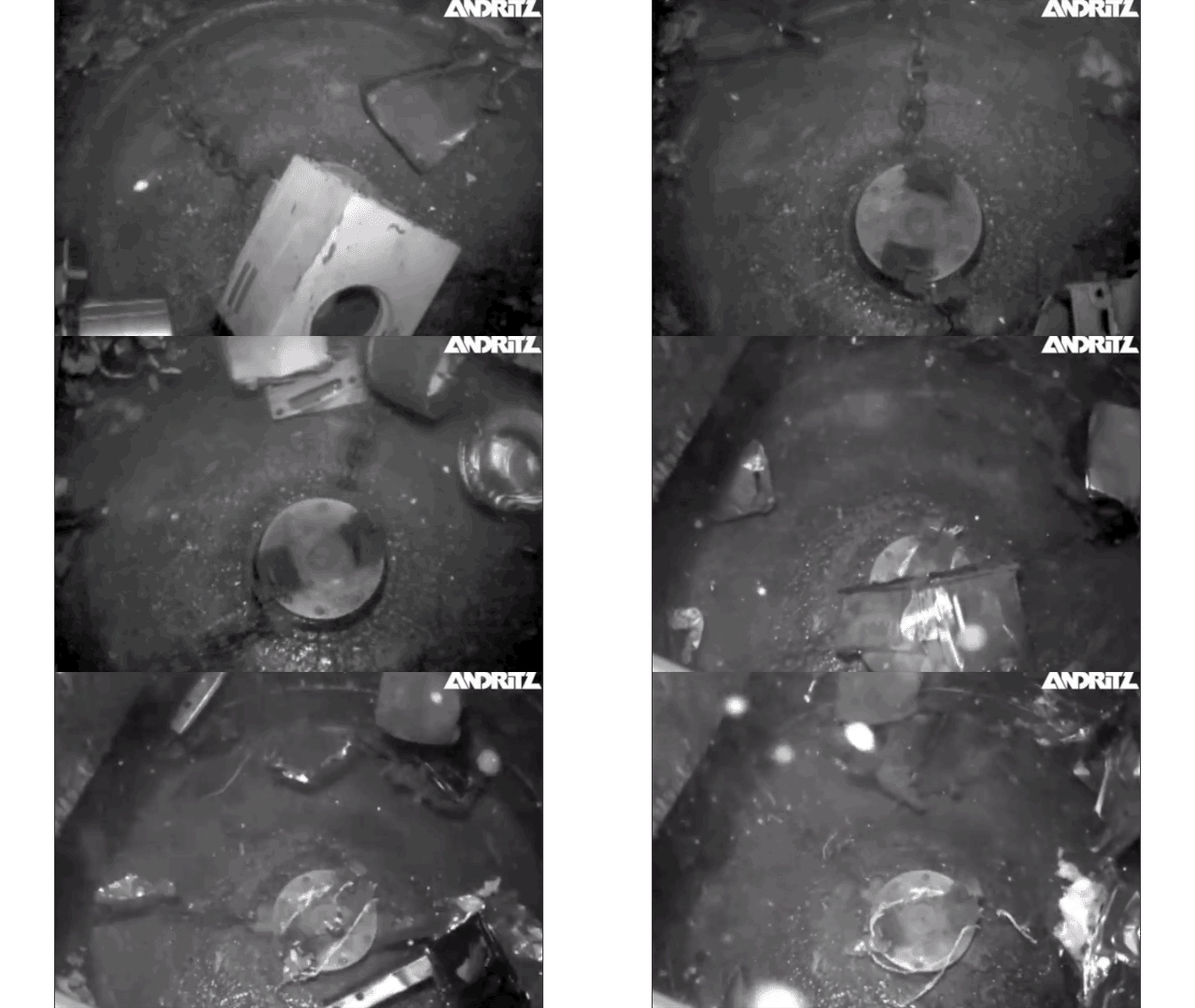
STEP 4 QZ MULTI-SHREDDING
Two industrial sized chains are spun around in the base of the QZ container causing the WEEE to be subjected to multiple impacts.
This separates the input material into smaller processable chunks whilst minimising the risk of potentially harmful substances being released from the individual components.
(Source)
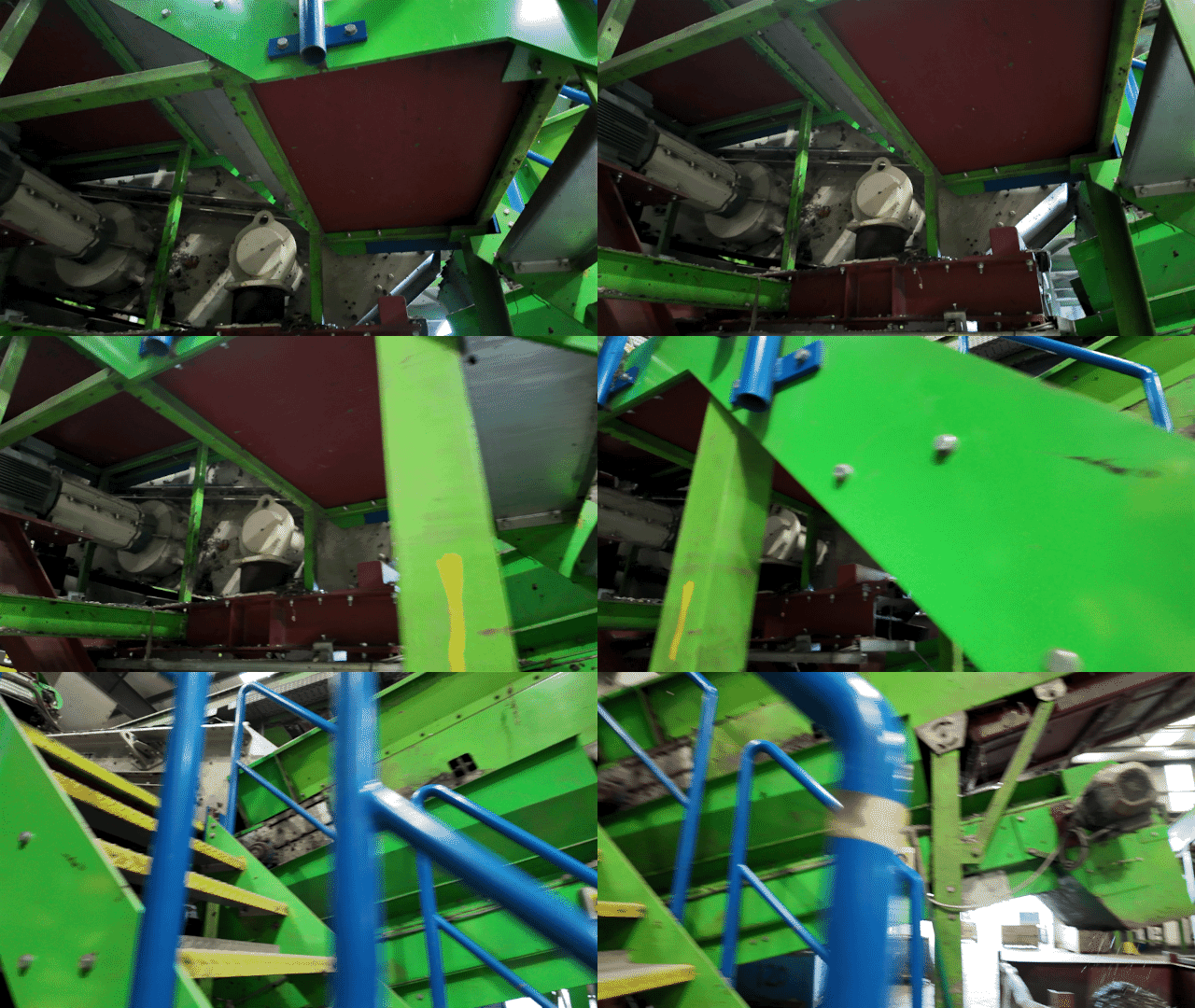
STEP 5 SIZE SORTING
Here, the output from the shredder gets sorted into 3 discrete streams through a series of shakers and grills.
By this point, the input material has been shredded and sorted into three size bands. Sizes 1 & 2 now take different onward paths through the facility whilst Size 3, Zorba, can be sold in its current state.
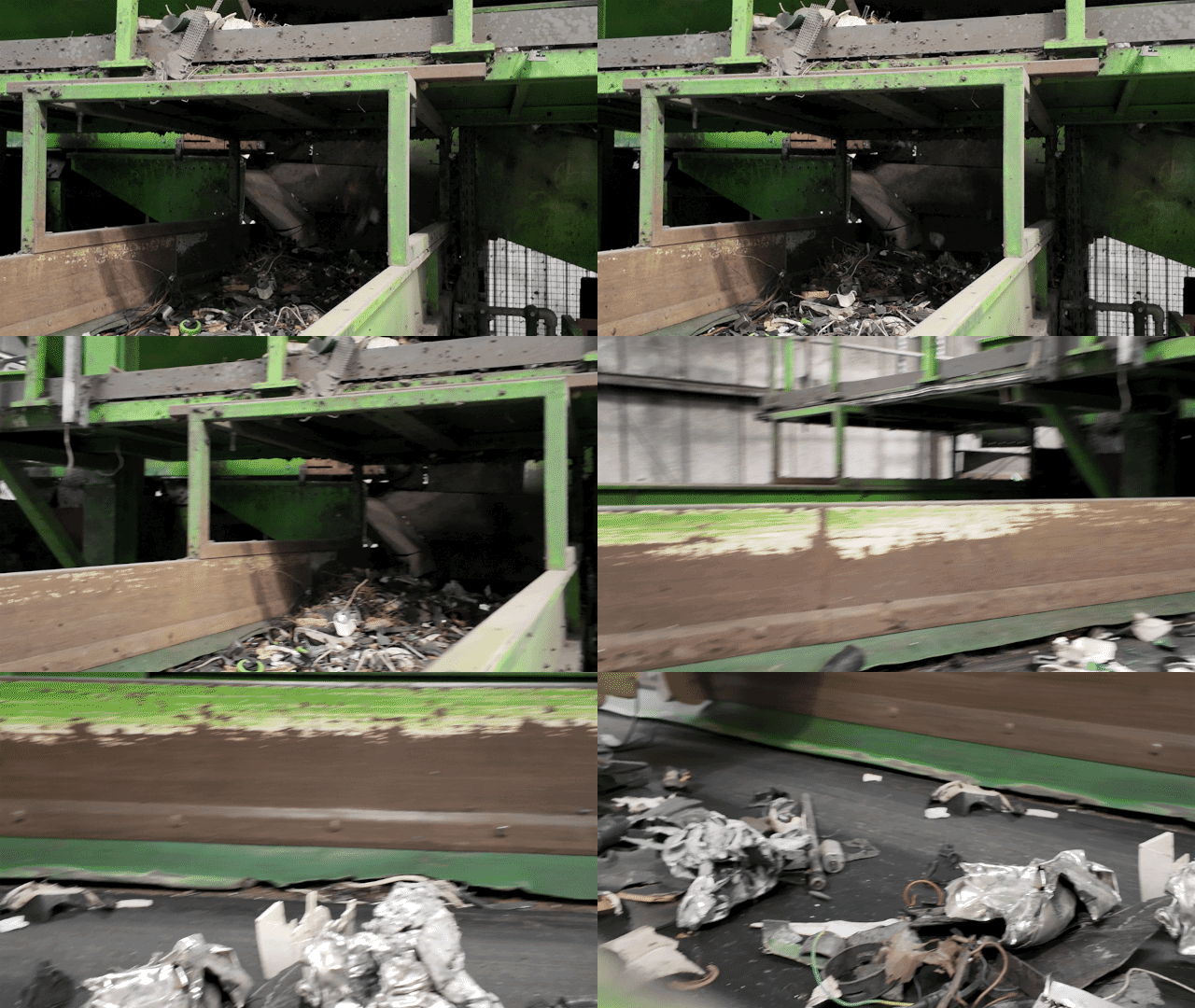
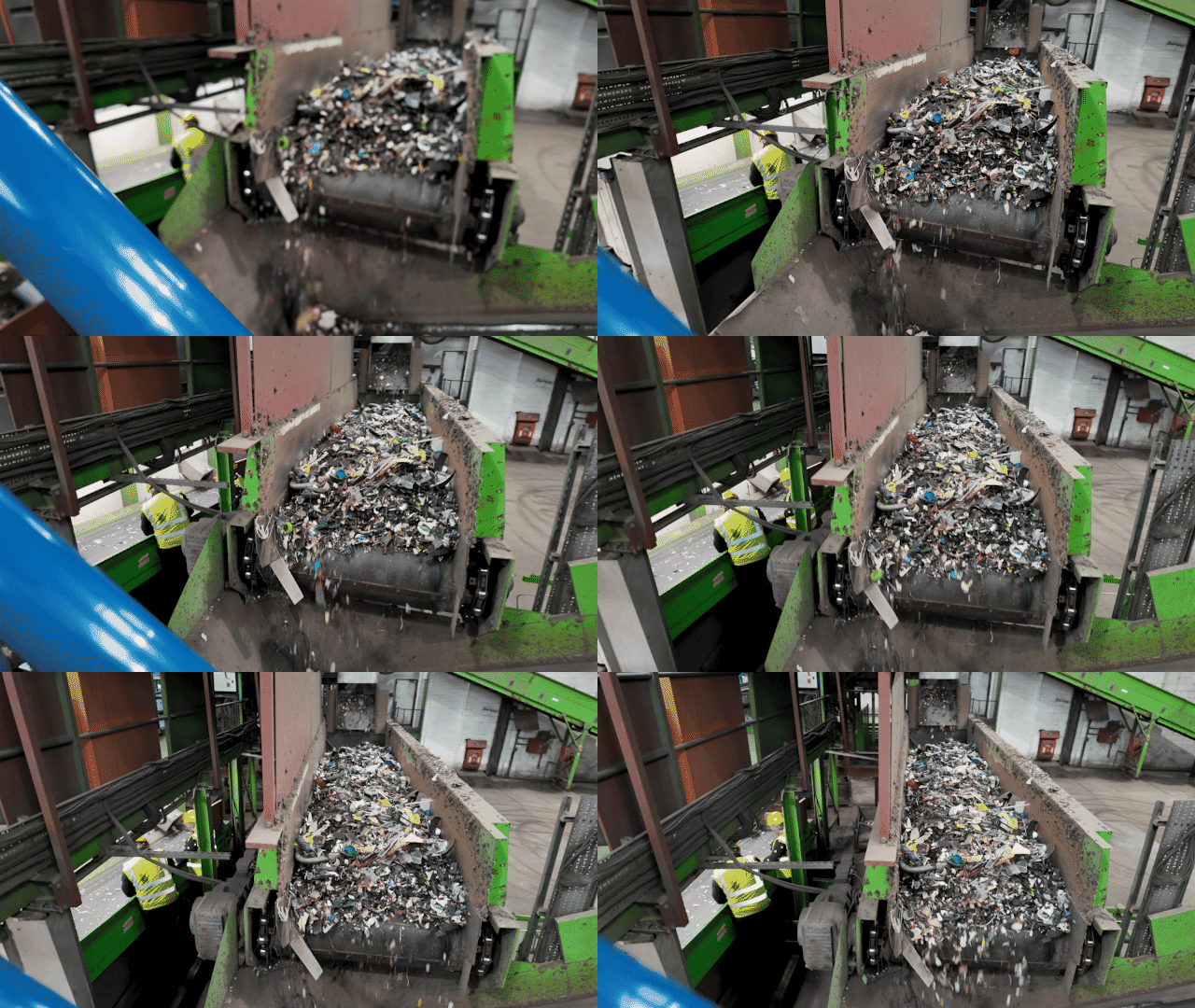
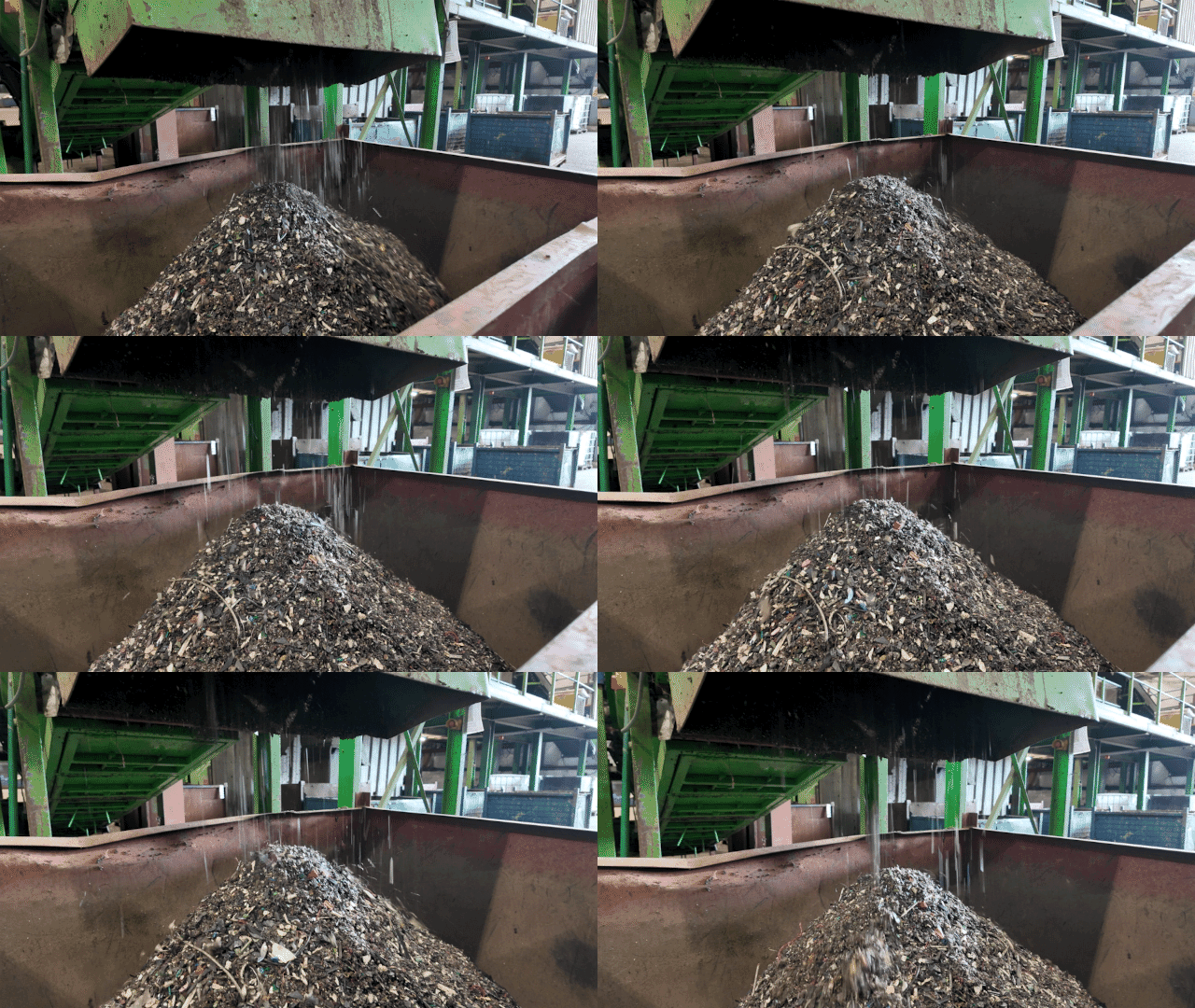
The system is designed for throughput, not precision.
What becomes clear very quickly is the mismatch between how products are designed and how they are recovered. Products are optimised for manufacture and cost. The system is optimised for volume and material recovery.
Circularity is often framed at the product level, but in reality it is often constrained by the system it flows through.
So, there’s part 1! In part 2, we’ll share some insight into how these fractions get further sorted as well as some of the nuances that need further consideration during the design phase.
If nothing else, we hope that sharing some of our observations from the trip trigger a conversation on how your brand proposes your product to be treated at the end-of-life and why you should be designing for disassembly.
If the current hypothesis is that it aids recycling in a centralised WEEE sorting process, refer to Step 4…
Interested in exploring design for end-of-life for your electrical products?
Contact us at hello@vennprojects.co.uk